Tyler Roses
Tyler, Texas
Established 1908
1946 Southern Independent Circuit Champions
Club History
The Tyler Roses were organized in the spring of 1908 by men employed in the commercial nurseries, packing sheds, freight houses, and small shops surrounding the east side of the city. The first club played Sunday afternoons against railroad teams, town nines, and company clubs from across East Texas.
Early scorebooks listed the team simply as Tyler. The name that endured came after a 1909 road game, when a Corsicana sportswriter referred to the visitors as “the Roses from Tyler.” Several players worked in the nursery trade, and the phrase required little explanation. By the following season, local box scores had adopted the name.
The Roses moved into Cotton Belt Park in 1912 and became one of the steadier clubs in the Southern Independent Circuit. Tyler captured its first circuit pennant in 1919 and another in 1926. By the end of the decade, the club had acquired a reputation for stable ownership, reliable payrolls, and unusually deep rosters.
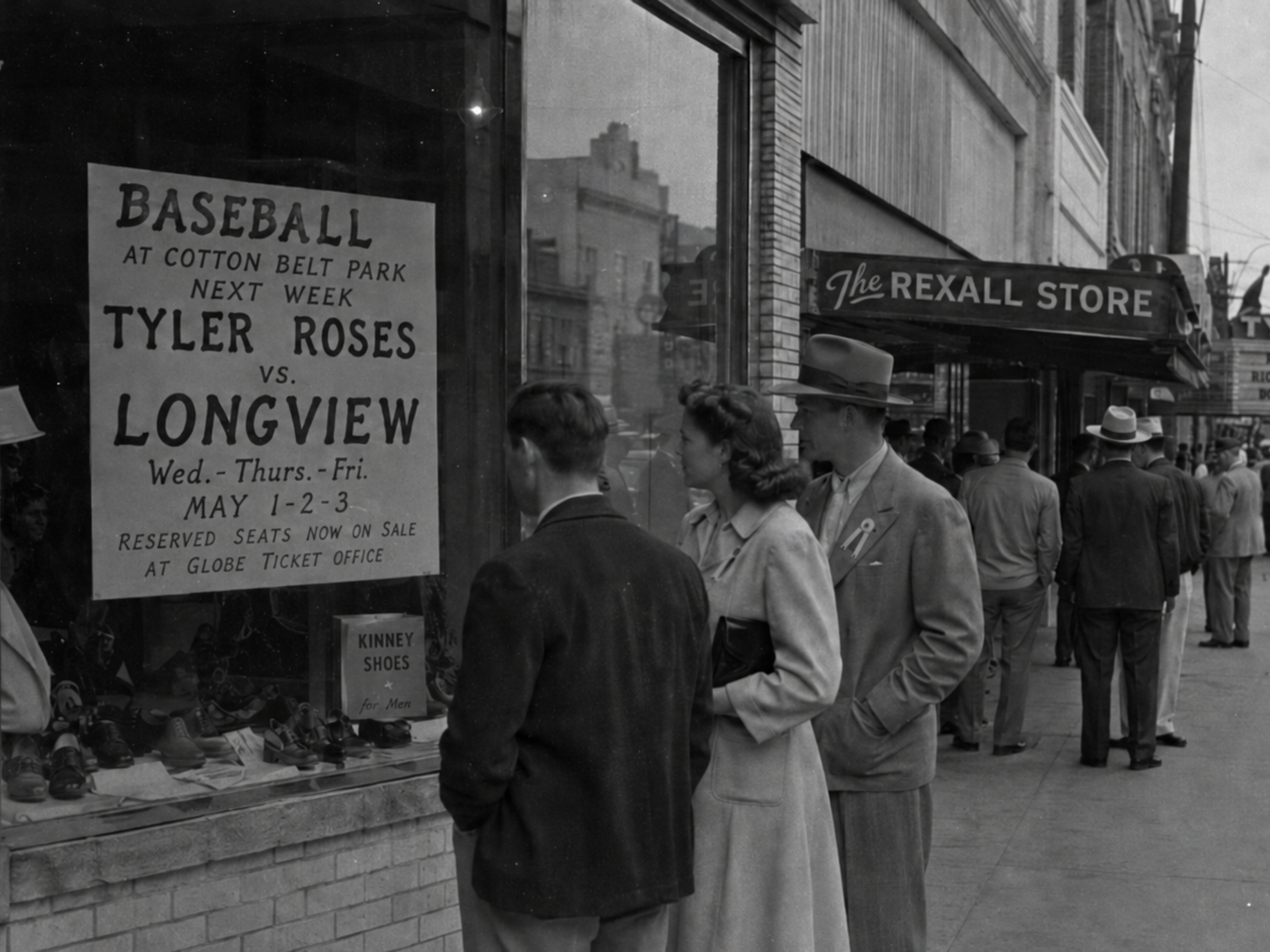
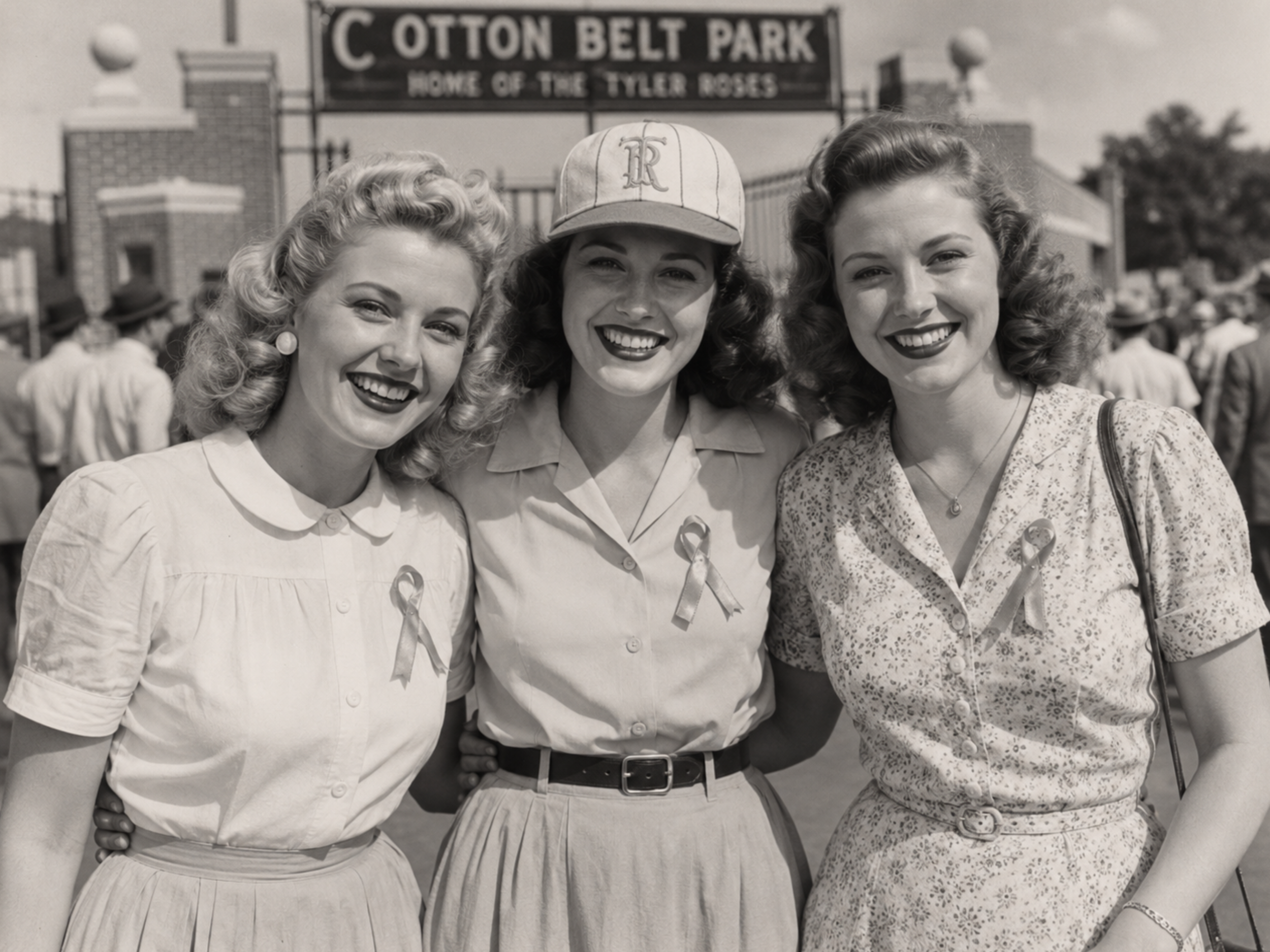
Tyler’s longest-running rivalry was with Longview. Their home-and-home holiday series routinely produced the circuit’s largest gates outside a pennant race, and even a poor Tyler season could be partly redeemed by taking the series from its neighbor to the east. During rivalry weeks, rose-pink ribbons appeared on dress collars, hatbands, shirt pockets, and storefront cards downtown. The gesture was small, local, and practical: a town color carried to the park without turning the day into ceremony.
Opposing clubs sometimes arrived in Tyler hoping only to split a series. The Roses were known for veteran pitching, capable reserves, and several players who could have started elsewhere in the circuit. Tyler did not win every year, but the road to the pennant almost always passed through Cotton Belt Park.
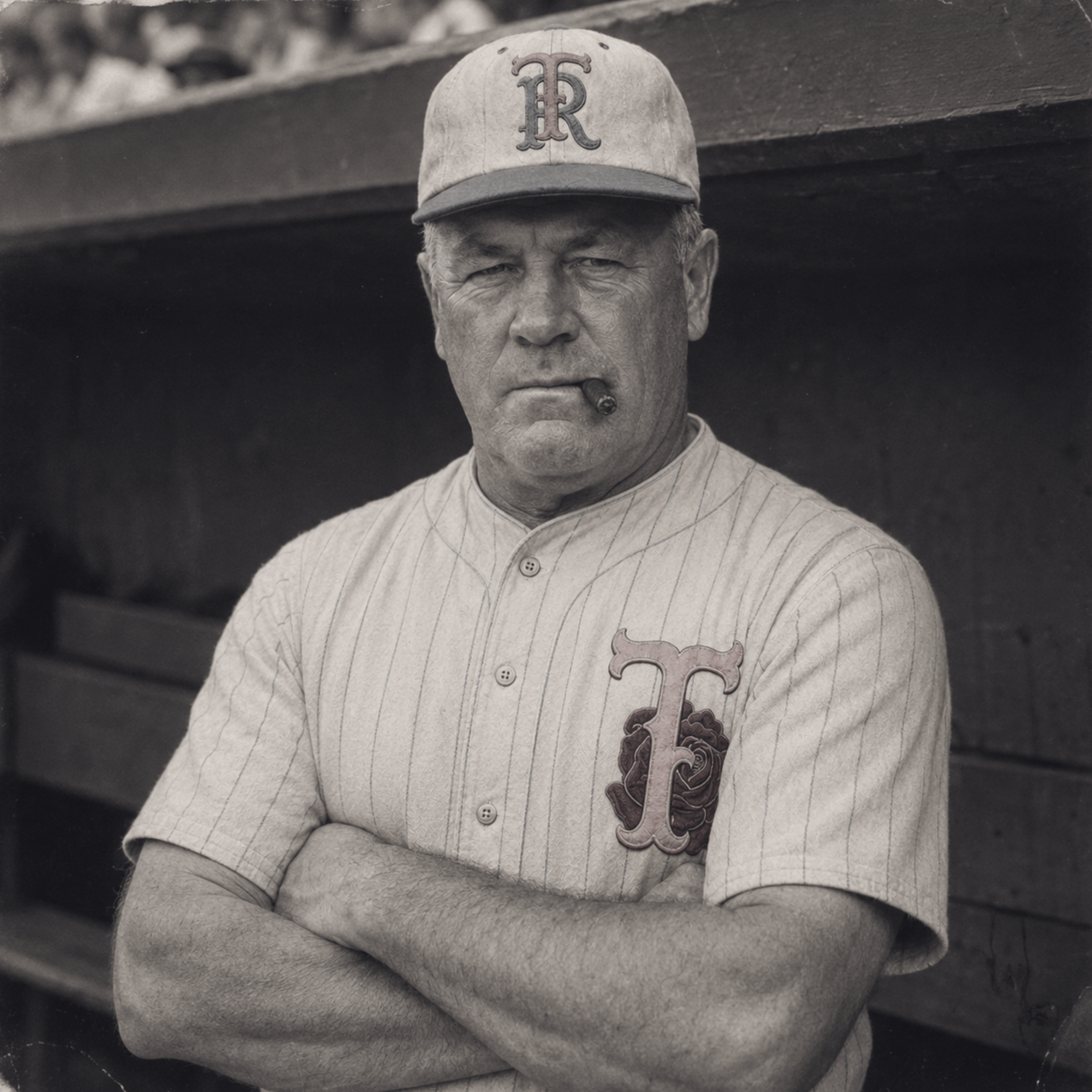
Joseph “Joe” Calloway took charge before the 1932 season after nearly twenty years as a catcher, coach, and occasional manager with independent clubs across Texas and Louisiana. By then, he was already a weathered baseball man with a rasping voice, a flattened catcher’s nose, and a cigarette fixed permanently at one corner of his mouth.
Calloway introduced morning infield practice, written reports on opposing hitters, and a rigid approach to lineup construction. He seldom changed the batting order after a loss and was reluctant to remove a starting pitcher unless the game had plainly escaped him. Under his direction, Tyler won circuit pennants in 1932, 1935, 1938, and 1941.
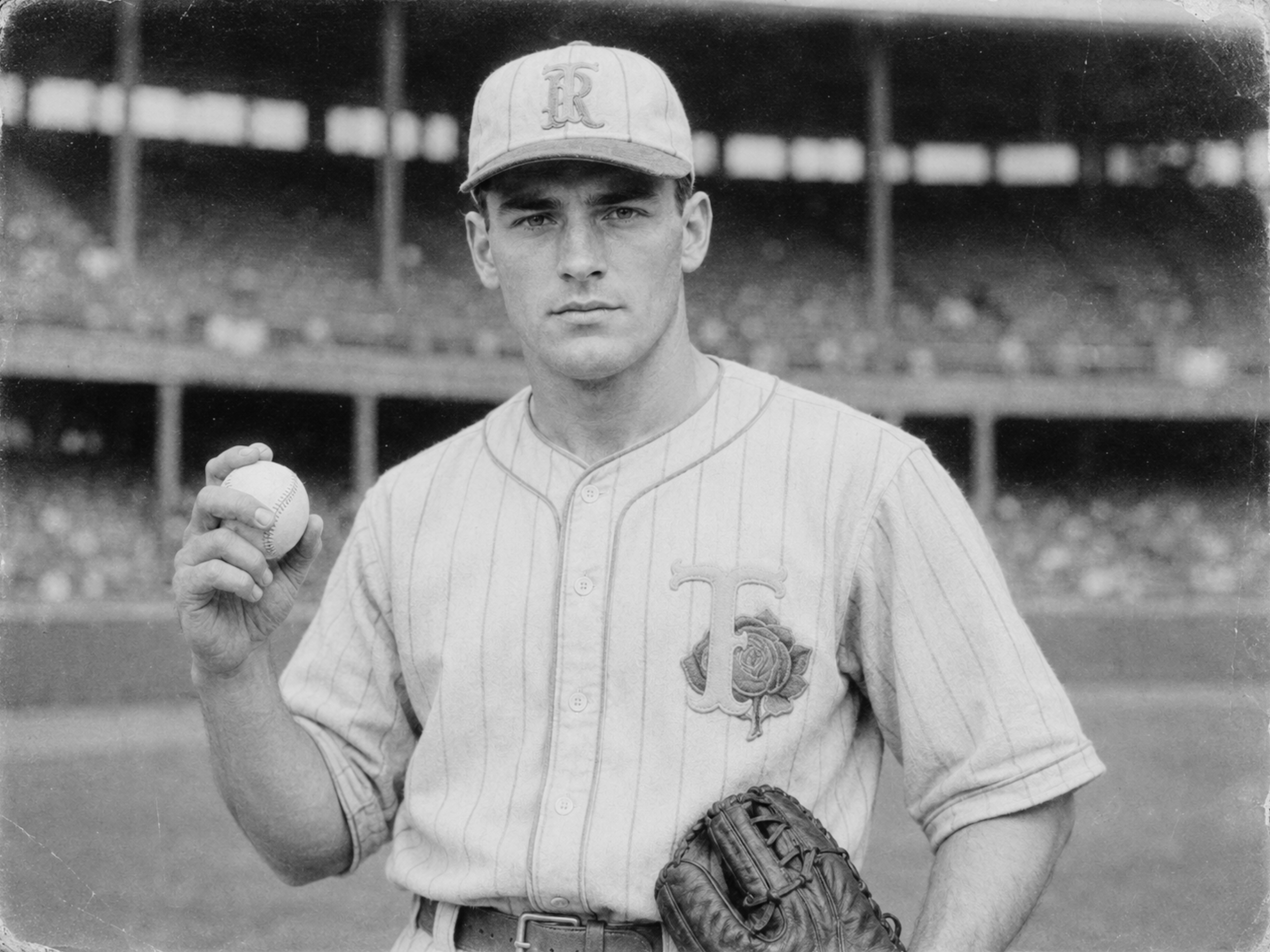
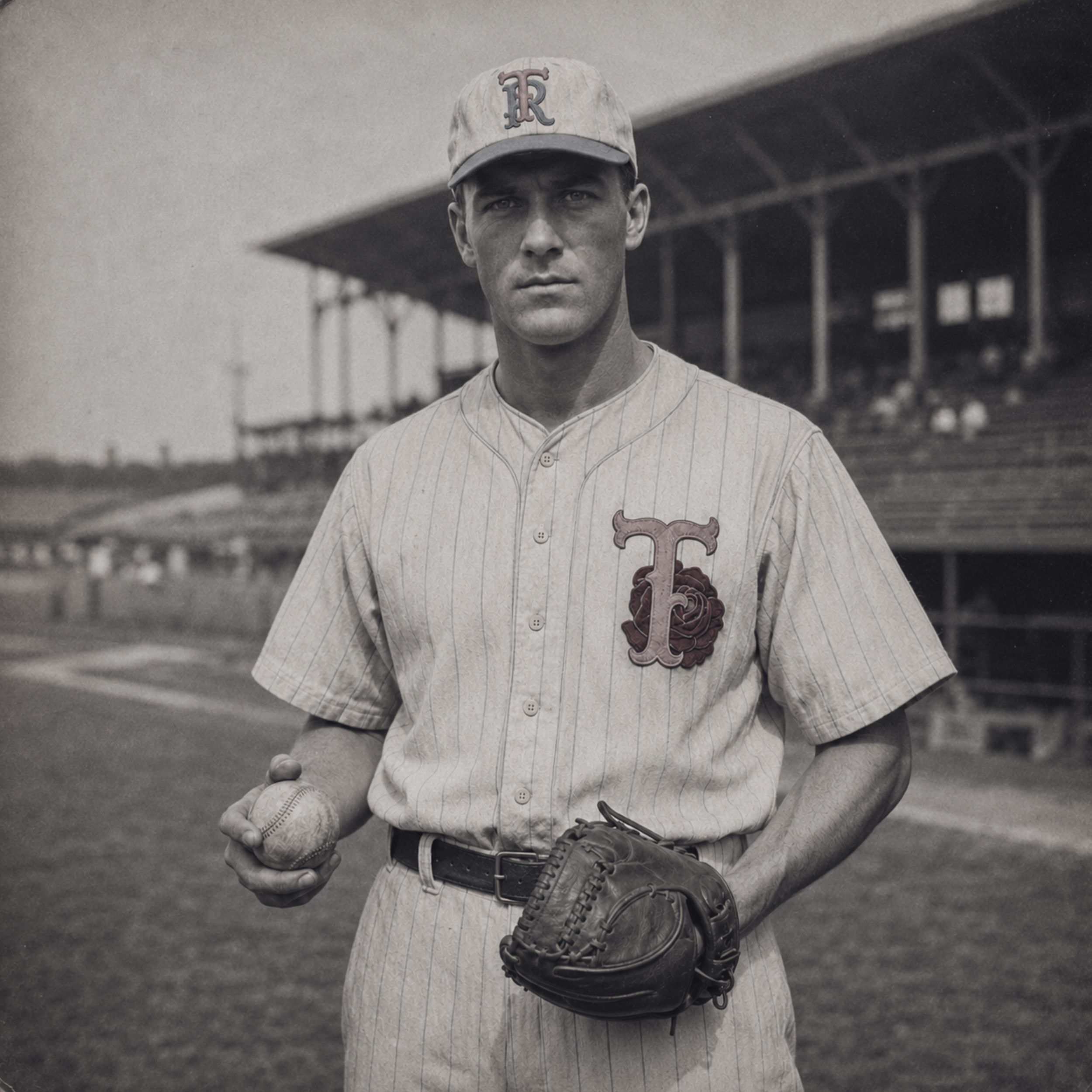
The club suspended play after the 1942 season. When the Roses returned in 1946, Calloway combined several veterans from the prewar roster with former servicemen recruited from East Texas towns, refinery clubs, and service-base leagues. Second baseman Oscar “Ossie” Bell gave the club its captain and defensive organizer. Left-hander Raymond “Ray” Tolliver became the staff’s most reliable starter. Third baseman Elias “Eli” Mercer supplied the middle-order bat Tyler had lacked before the suspension.
The Roses won fourteen consecutive games in June, lost only eight times at Cotton Belt Park, and clinched the Southern Independent Circuit title with six games remaining. Tyler finished 76–28, twelve games ahead of its nearest rival. Tolliver won twenty-one games, Mercer led the circuit with a .349 batting average, and the club finished first in both runs scored and runs allowed.
At the conclusion of league play, the Roses accepted an invitation to meet the Davenport Deadheaders, champions of the Midland Association’s Northern Division. The privately arranged series was intended to settle years of argument between the two regional circuits.
Tyler won two of the first three games at Cotton Belt Park. When the series moved north, the Roses split the first two contests at West End Park and carried a three-games-to-two lead into Game Six.
They never won the fourth.
Davenport took Game Six, 6–3, before Sam Kovac and Tolliver met in the deciding contest. Tolliver worked eight innings on short rest and allowed three runs. Kovac went the distance for Davenport, and the Deadheaders won 3–2.
The result did not alter Tyler’s official circuit championship. The series had no sanction from organized baseball, and no governing body stood behind it. In Tyler, the 1946 Roses remained one of the strongest clubs in team history.
Elsewhere, the meaning was different. Davenport had defeated the club other teams spent the season measuring themselves against. That was what made the Deadheaders’ victory worth remembering.
Club and Community
-
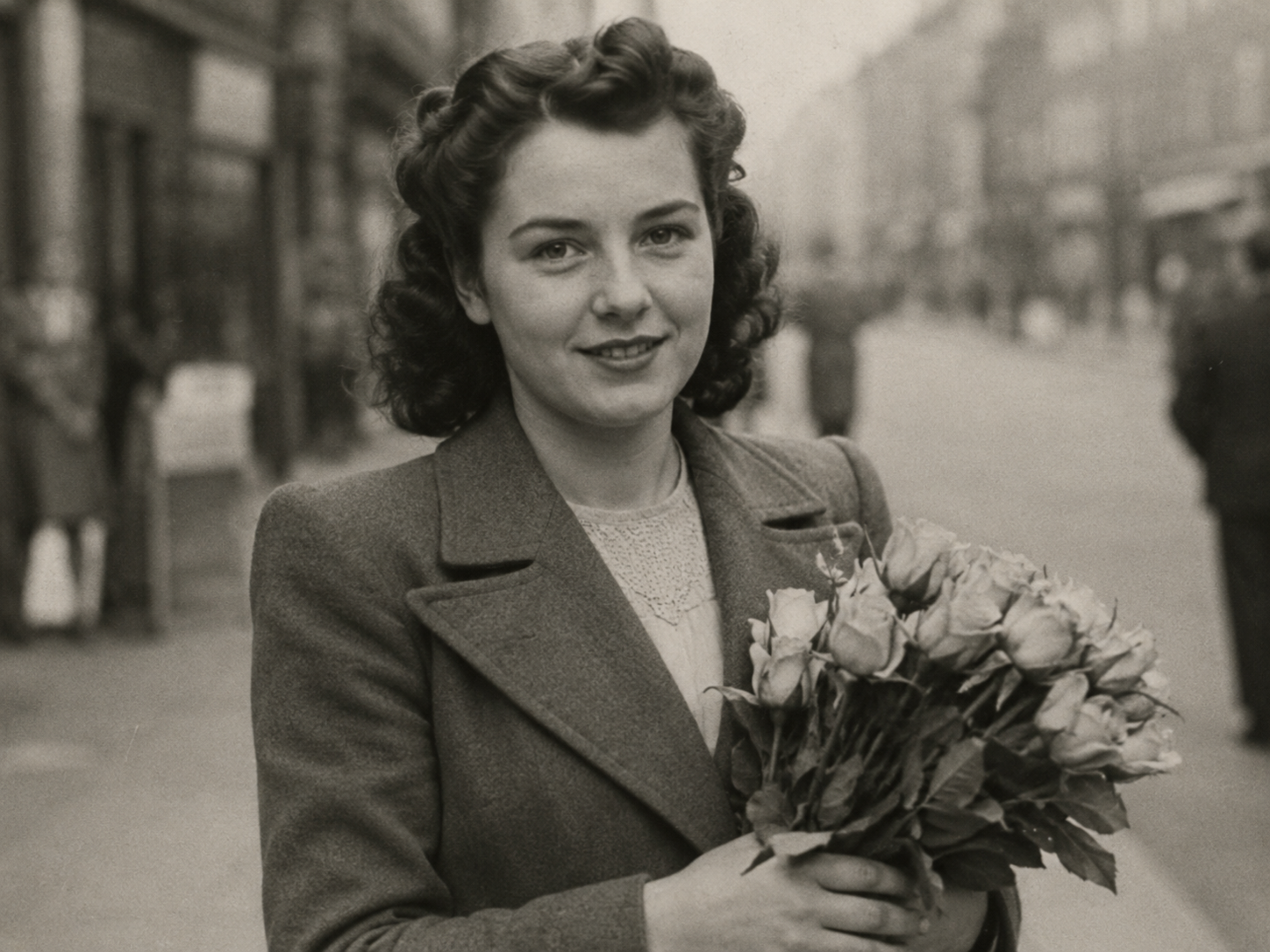
![Mary Blackburn holding roses downtown.]()
Mary Blackburn with Opening-Day Roses
Assistant to the General Manager · Downtown Tyler, Circa 1946
Mary Blackburn, assistant to the Roses’ general manager, pauses downtown while buying flowers before the season home opener at Cotton Belt Park. The bouquet was not a formal club ritual so much as a practical local gesture: roses for the ticket office, the front counter, and the rooms where visiting officials would be received before the first home game. Her portrait places the club’s identity in the everyday work behind game day, before the gates opened and before the crowd arrived.
-
![Downtown sign for Tyler Longview series.]()
Longview Week Downtown
Rivalry Notice · Downtown Tyler, Circa 1940s
A hand-lettered window card announces the Longview series. Rivalry week changed the town in modest ways: storefront notices, longer ticket lines, extra passengers headed east of downtown, and rose-pink ribbons pinned to jackets before the first pitch.
-
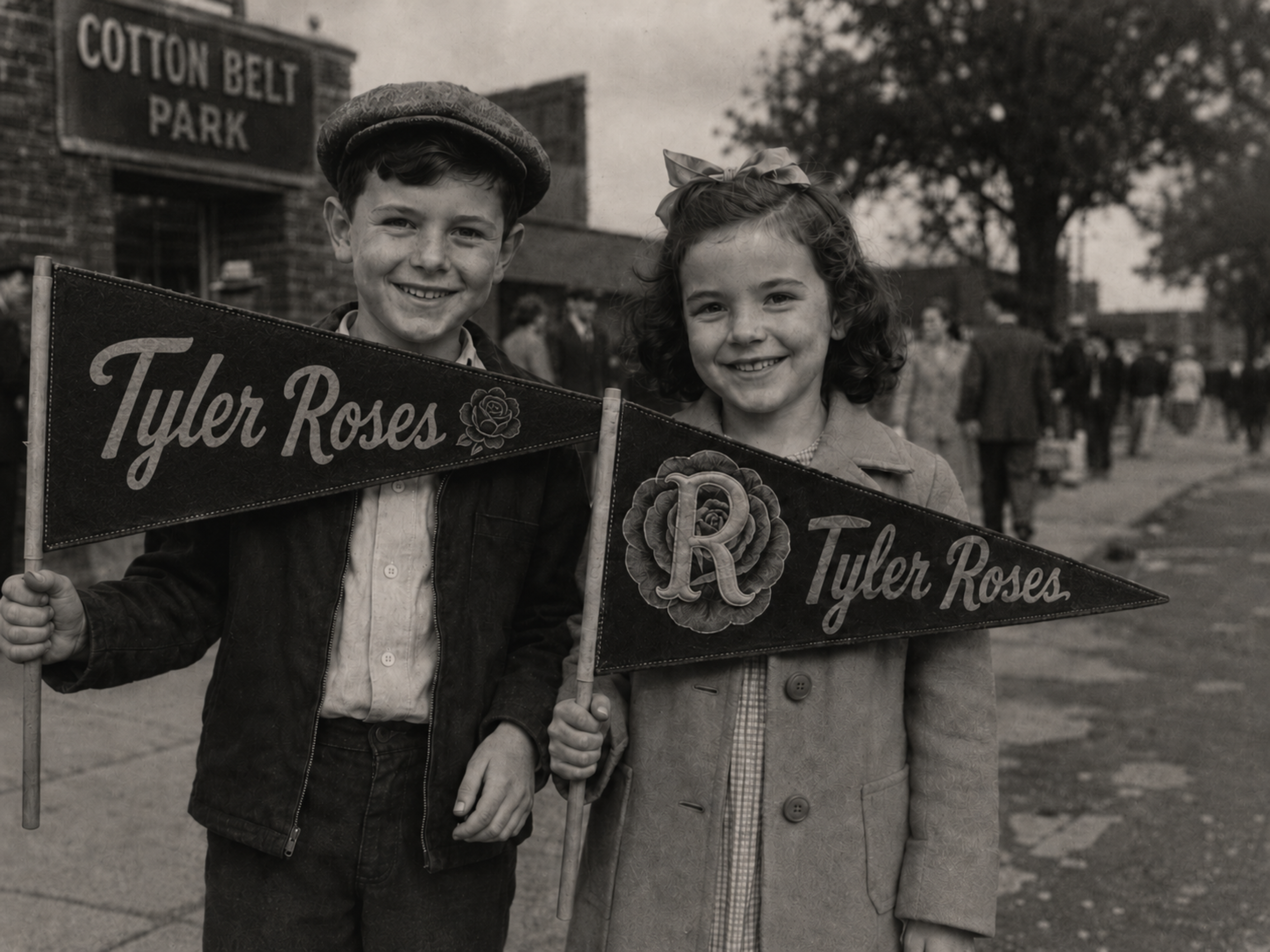
![Two children holding Tyler Roses pennants.]()
Children with Roses Pennants
Outside Cotton Belt Park · Circa 1946
A young boy and girl pose near the Cotton Belt Park entrance with Tyler Roses pennants on sticks. The left pennant uses simple script lettering and a small rose mark, while the right carries a larger display treatment based on the club’s rose crest.
-
![Three Tyler Roses supporters outside Cotton Belt Park.]()
Rose-Pink Ribbons at the Gate
Supporters Outside Cotton Belt Park · Circa 1946
Three young Tyler supporters pose outside Cotton Belt Park before a summer home game, each wearing the small ribbon custom associated with larger Roses dates. One wears the club’s cream pinstriped TR cap, placing the team mark in the hands of the crowd rather than the clubhouse. The photograph preserves the social side of Tyler baseball: bright faces, game-day clothes, and a local tradition carried lightly into the ballpark.
-
![Young man wearing Tyler Roses cap.]()
Ranch Hand in a Roses Cap
Street Portrait · Tyler, Texas, Circa 1946
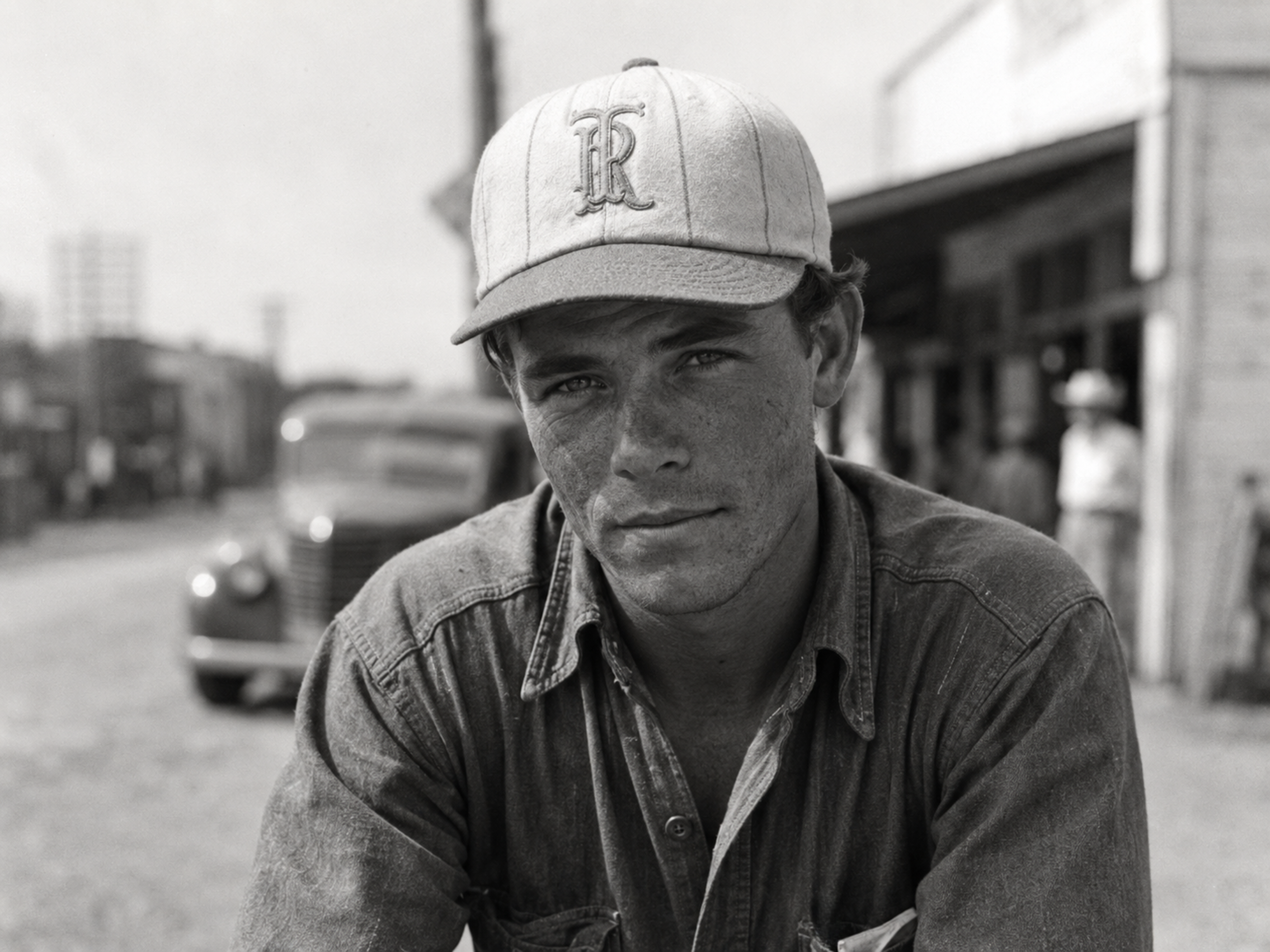
A young ranch hand pauses on a Tyler street wearing a cream pinstriped Roses cap, its TR monogram softened by use and sun. The work shirt, dust-marked face, and blurred storefronts behind him place the club mark outside the ballpark, showing how Tyler baseball moved through ordinary civic life: worn to work, carried downtown, and recognized at a glance.
-
![Crowd entering Cotton Belt Park.]()
At the Cotton Belt Gates
Game-Day Arrival · Tyler, Texas, Circa 1946
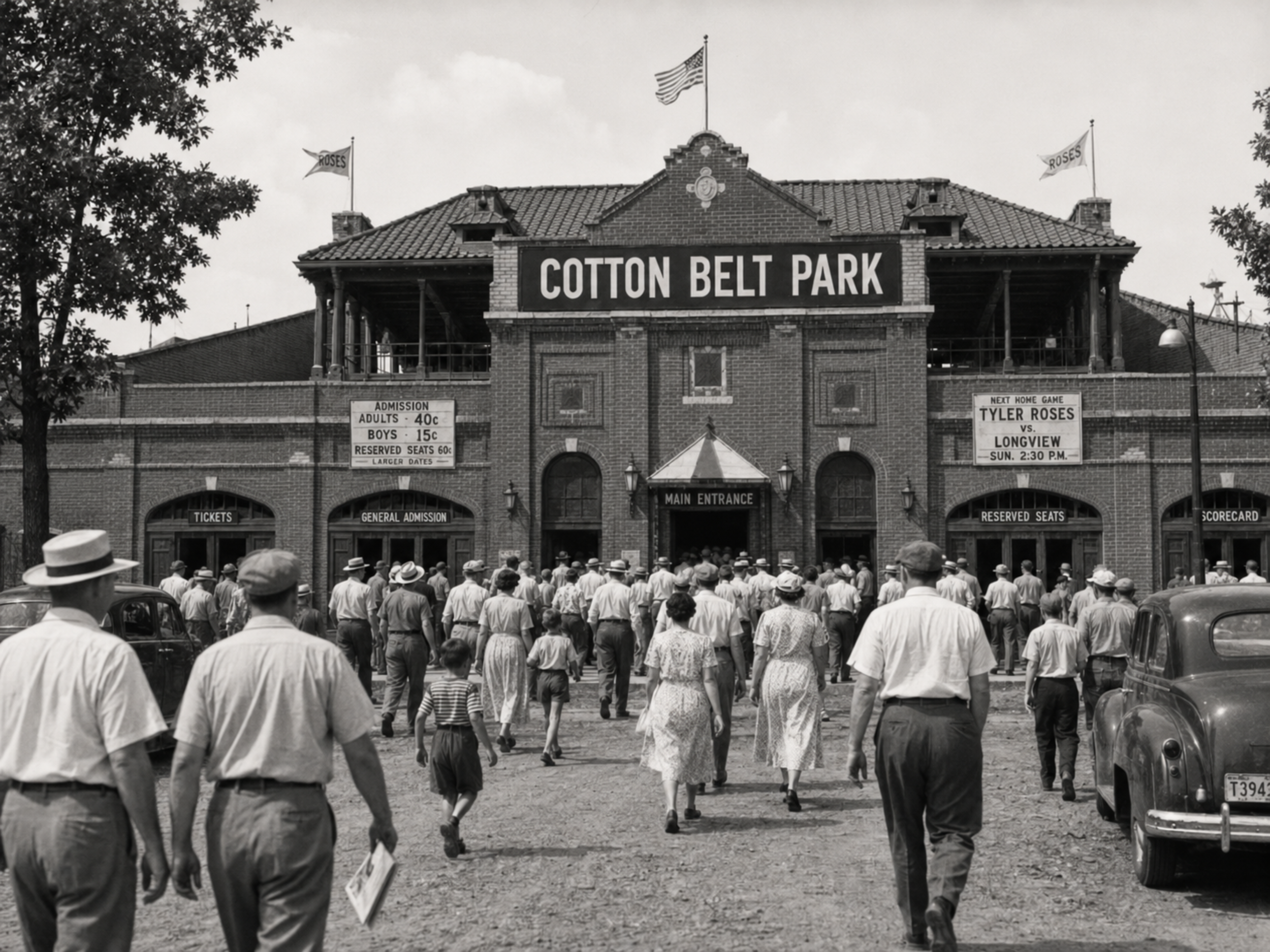
A home-date crowd gathers at the Cotton Belt Park entrance before a summer game. The scene shows Tyler baseball at its most ordinary and most important: work shirts, summer dresses, folded scorecards, children moving ahead of parents, and spectators arriving from the streets east of downtown.
Club Record
| Club | Tyler Roses Baseball Club |
|---|---|
| Location | Tyler, Texas |
| Established | 1908 |
| Years Active | 1908–1942; 1946–1953 |
| Operations Suspended | 1943–1945 |
| League | Southern Independent Circuit |
| Status | Independent regional club |
| Home Park | Cotton Belt Park |
| Ballpark Capacity | Approximately 4,600 seated; more than 6,200 with standing room |
| Club Colors | Cream, powder blue, rose pink, and deep red |
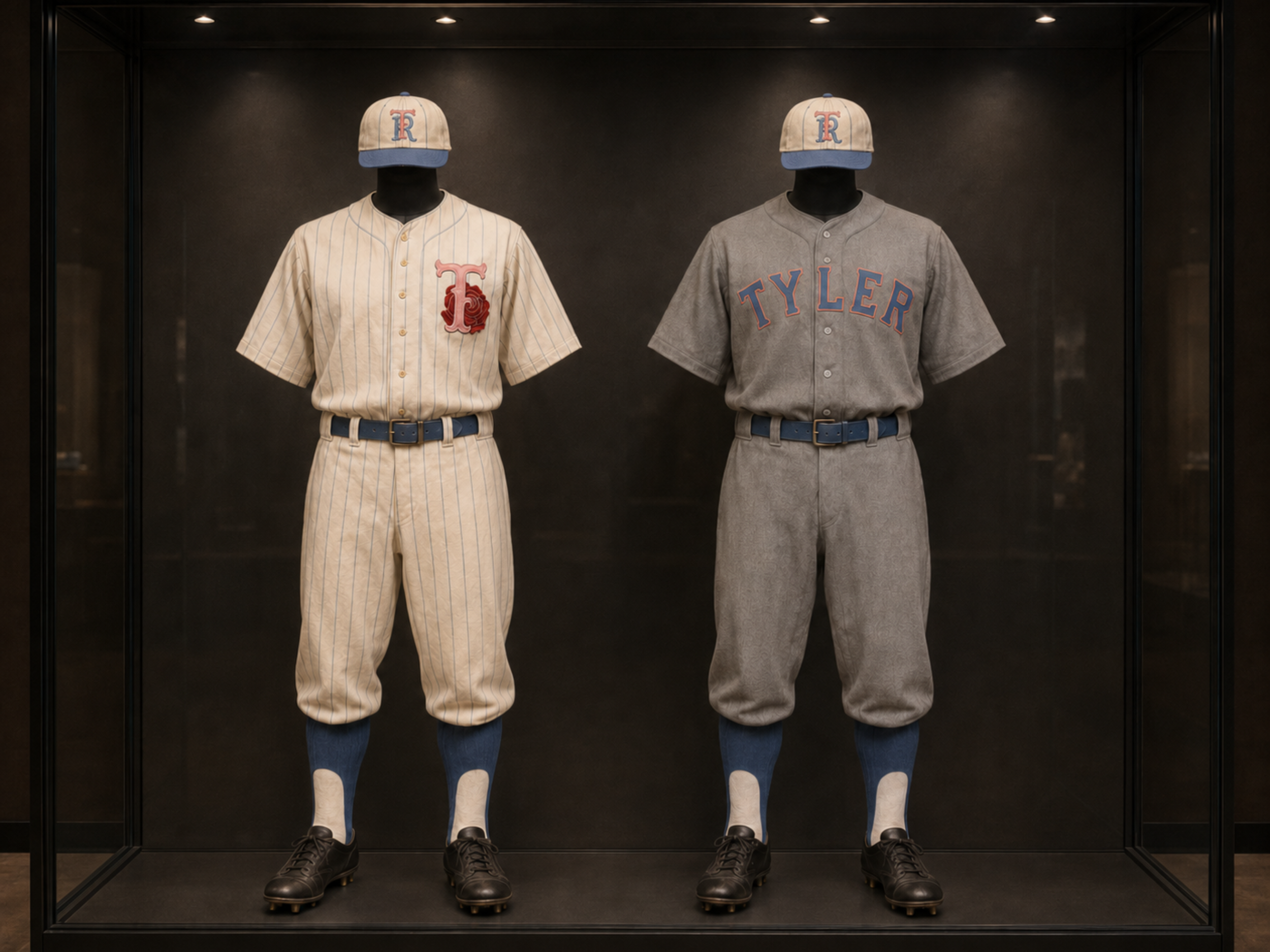
| Primary Uniform | Cream flannel with powder-blue pinstripes, powder-blue piping, and a rose-pink T set before a deep-red rose on the left chest |
| Travel Uniform | Gray flannel with arched powder-blue TYLER lettering, rose-pink edging, and matching powder-blue back numerals |
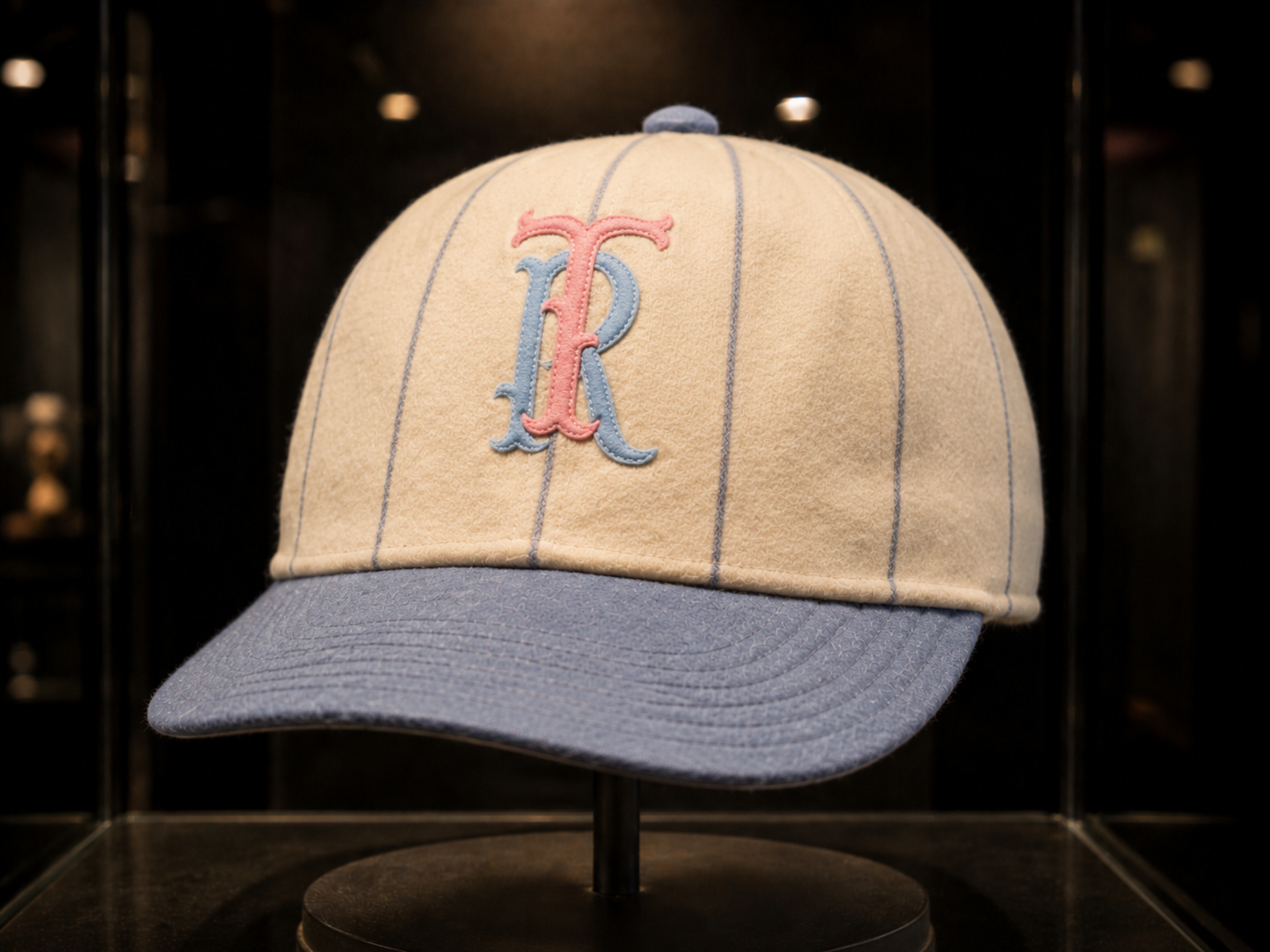
| Cap | Cream wool cap with powder-blue pinstripes, powder-blue bill, and interlocking TR monogram |
| Cap Mark | Interlocking rose-pink T and powder-blue R |
| Uniform Mark | Rose-pink T set before a deep-red rose |
| Dugout Jacket Mark | Arched TYLER lettering above a deep-red rose and powder-blue R on cream wool |
| Common Shortened Name | The Roses |
| Informal Nickname | The East Texas Nine |
| Club Motto | Make Them Earn It. |
| Home-Crowd Custom | Rose-pink ribbons appeared on hats, lapels, and shirt pockets during larger home dates, especially the Longview series |
| Official Mascot Name | None; the club used lettering and rose imagery rather than a character mascot |
| Cap Monogram Adopted | 1934 |
| Uniform Crest Adopted | 1936 |
| Motto First Used | 1936 season-ticket books |
| Club President, 1946 | Edwin R. Mallory |
| Manager, 1946 | Joseph “Joe” Calloway |
| Club Captain, 1946 | Oscar “Ossie” Bell, second baseman |
| Circuit Pennants | 1919, 1926, 1932, 1935, 1938, 1941, 1946, 1948 |
| Best-Known Rival | Longview |
| Best-Known Inter-Circuit Opponent | Davenport Deadheaders |
| 1946 Official Result | Southern Independent Circuit champions |
| 1946 Inter-Circuit Result | Lost to Davenport, four games to three |
| Series Status | Privately arranged inter-circuit series; did not affect Tyler’s official Southern Independent Circuit title |
| Final Season | 1953 |
| Recordkeeping Note | Complete season records survive from 1912 onward; several earlier exhibition ledgers are incomplete |

Club Uniforms and Marks
The Roses’ appearance was carefully made but never ornate. Their field identity depended on cream flannel, powder-blue pinstripes, rose-pink lettering, and one floral idea used with restraint.
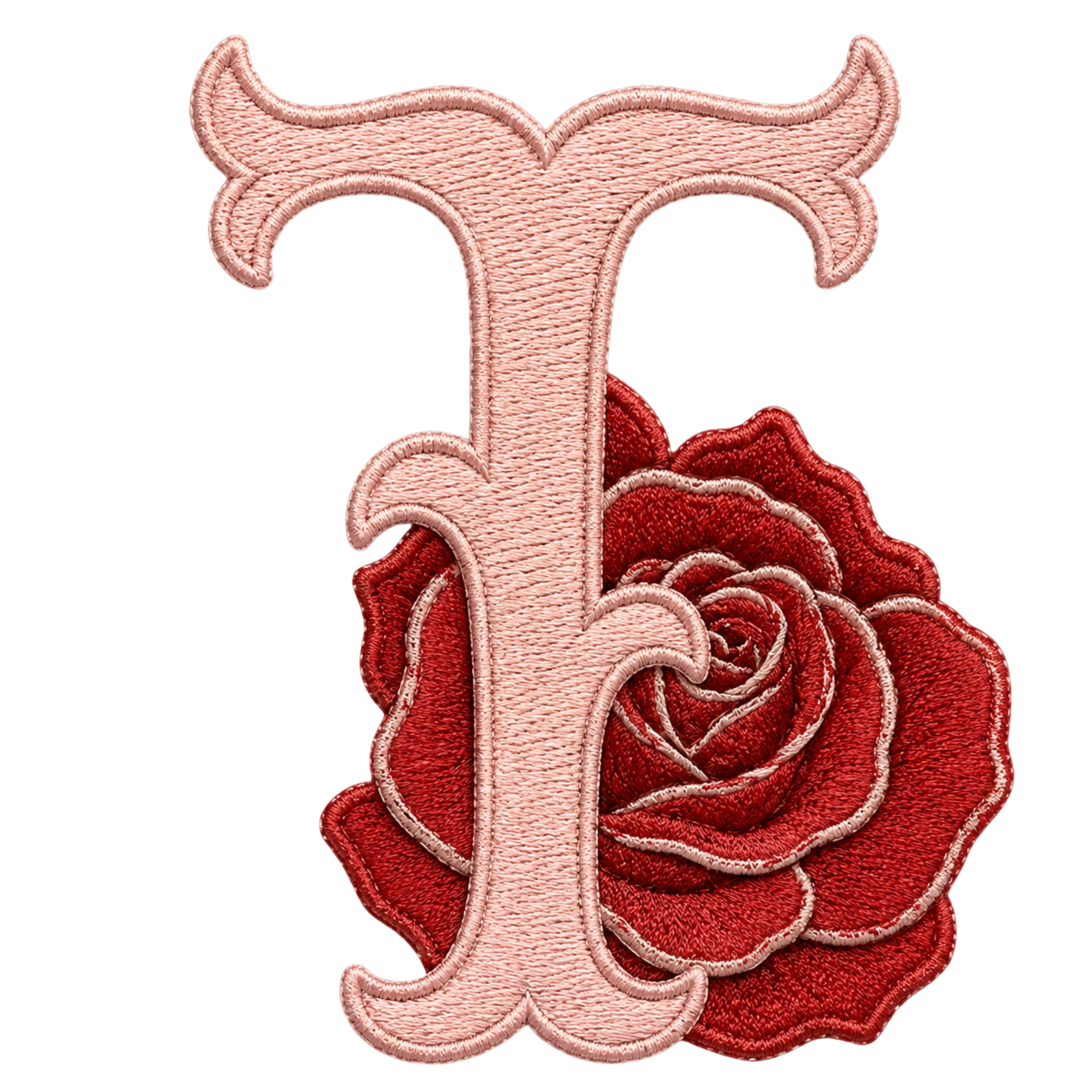
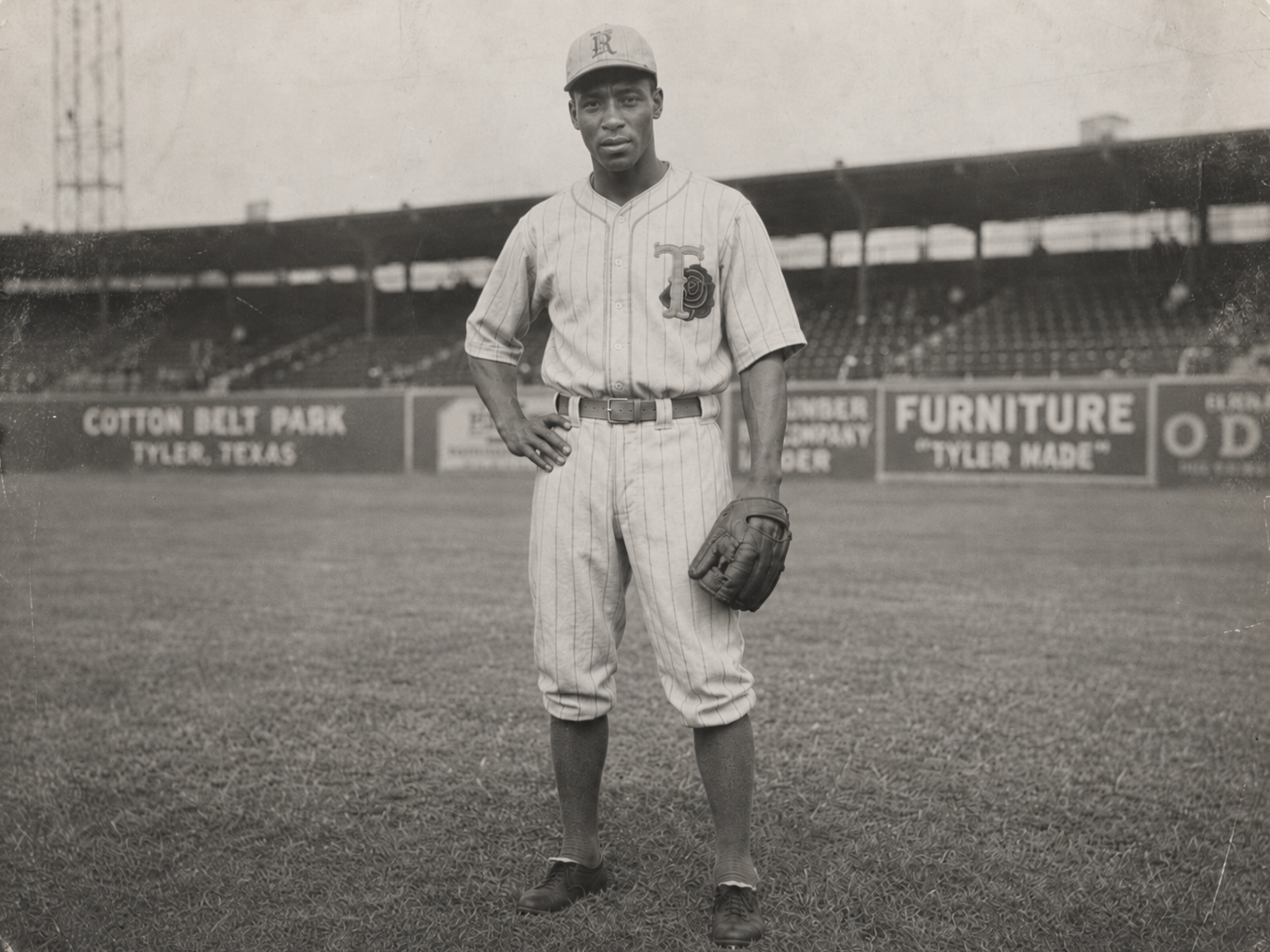
The cap came first. In 1934, Tyler standardized a cream pinstriped cap with a powder-blue bill and an interlocking TR monogram. The T was rendered in rose pink, the R in powder blue. It gave the club a clear field mark without abandoning the light colors already associated with Tyler’s primary uniforms.
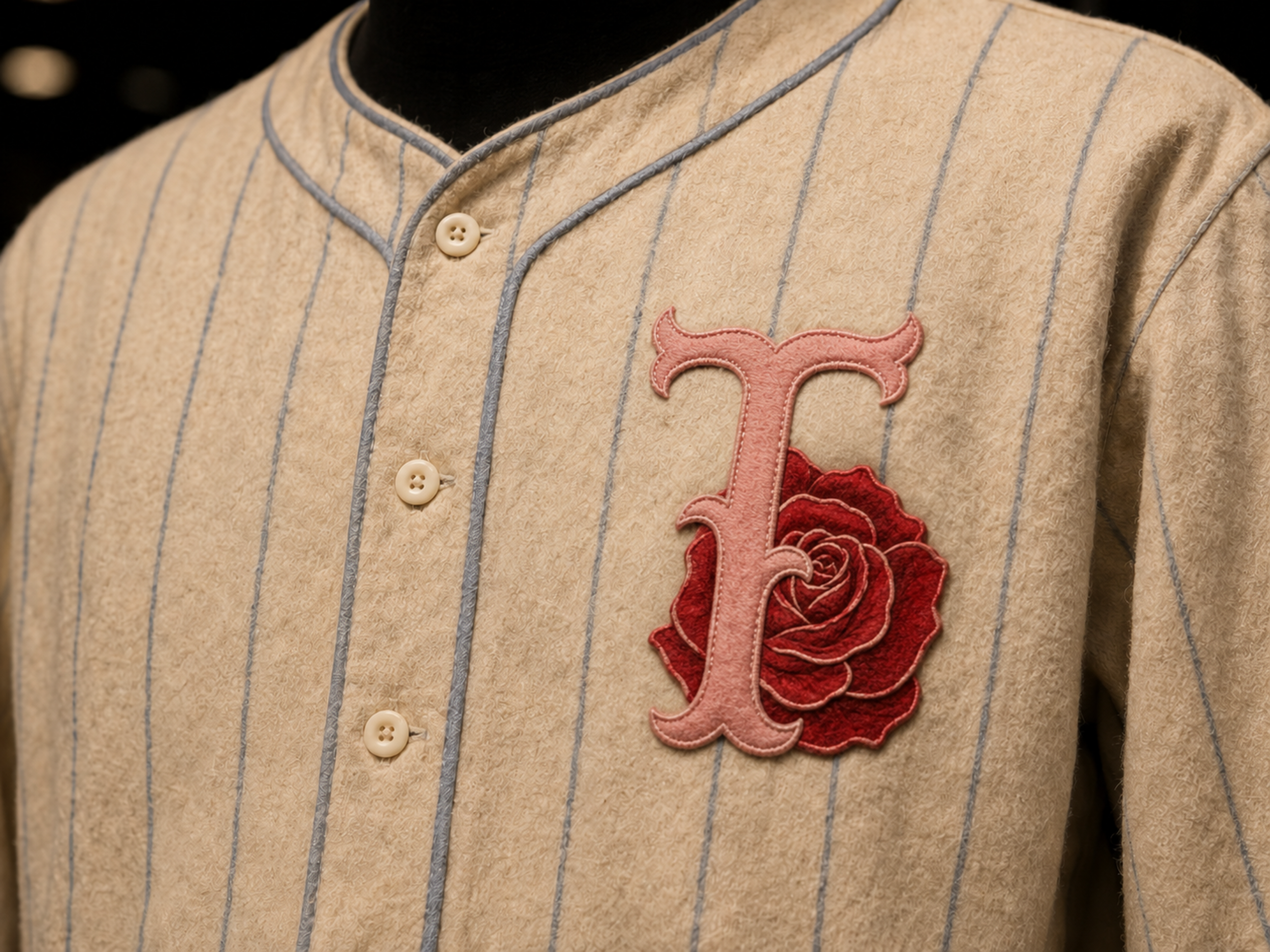
The uniform crest followed in 1936. A rose-pink T was set before a deep-red rose and sewn over the left chest of the primary jersey. The mark was larger than the cap monogram but still behaved like a piece of uniform work rather than advertising. In close photographs, the crest shows raised thread, uneven edges, and the slight puckering common to stitched felt on flannel.
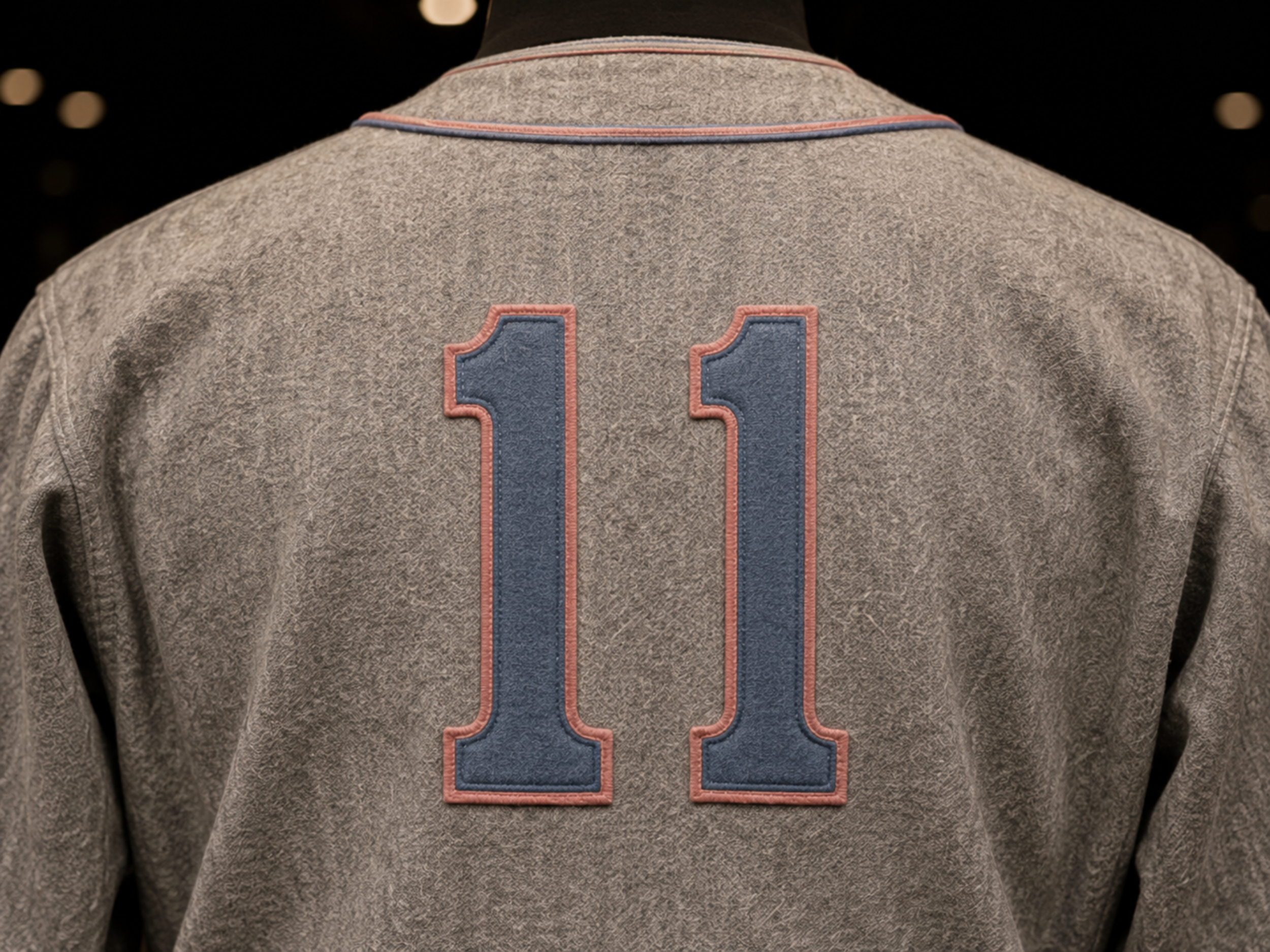
The travel uniform was quieter: gray flannel, arched TYLER lettering in powder blue, rose-pink edging, and matching back numerals. The same cream pinstriped cap was worn on the road. The travel set photographed darker and heavier, especially after rail trips through summer dust. It carried less romance than the primary uniform, but more evidence of use.
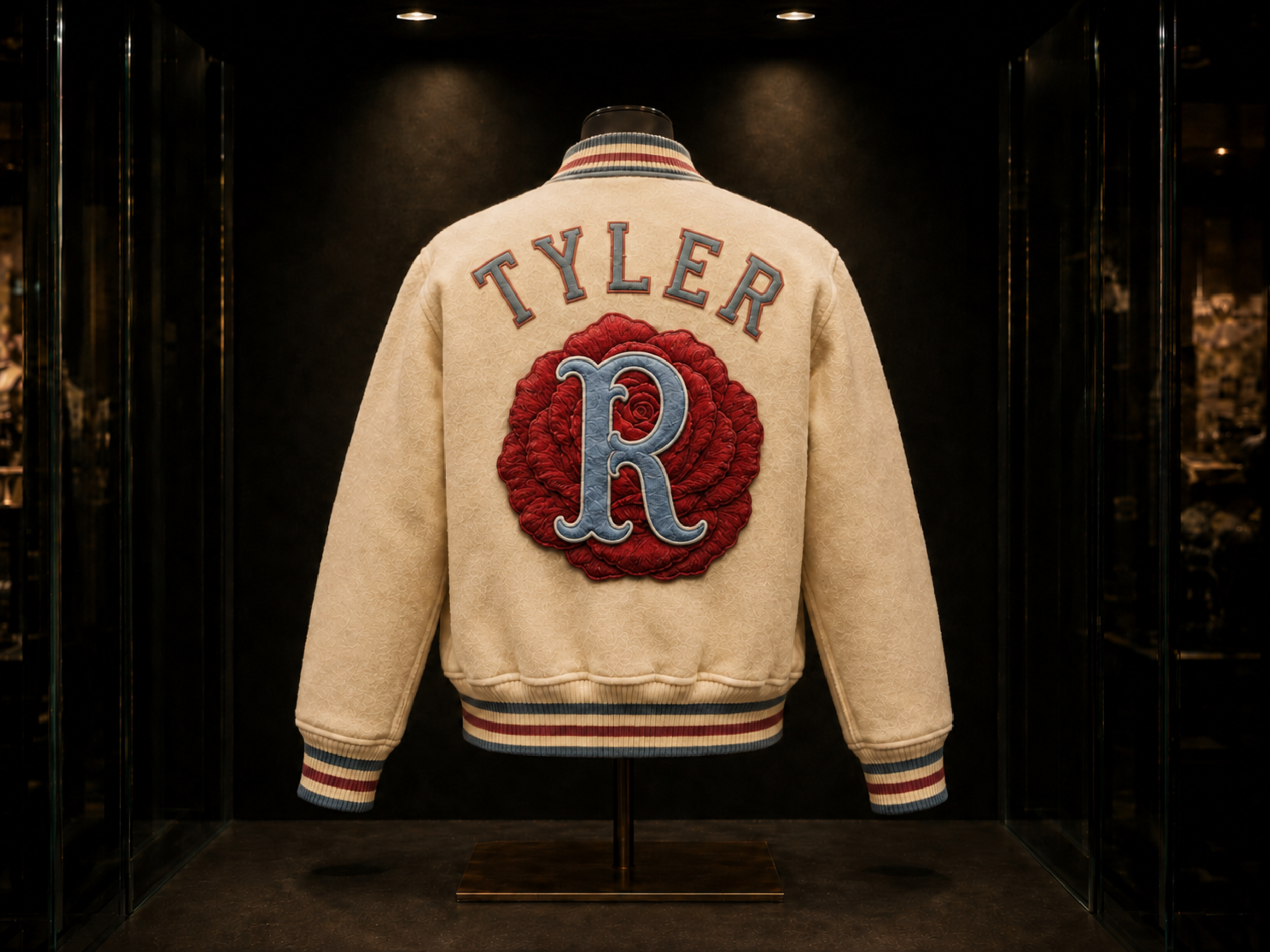
The cold-weather dugout jacket enlarged the rose idea for display rather than play. Its cream wool body carried arched TYLER lettering above a deep-red rose and powder-blue R, using the club’s colors in a heavier embroidered treatment suited to outerwear, bench use, banquets, and later museum survival.
The Roses never employed a character mascot. Their visual language stayed inside letters, flannel, wool, and the rose itself. The cap monogram identified the players on the field. The chest crest identified the club in memory. The jacket gave the same marks a colder-weather, off-field presence.
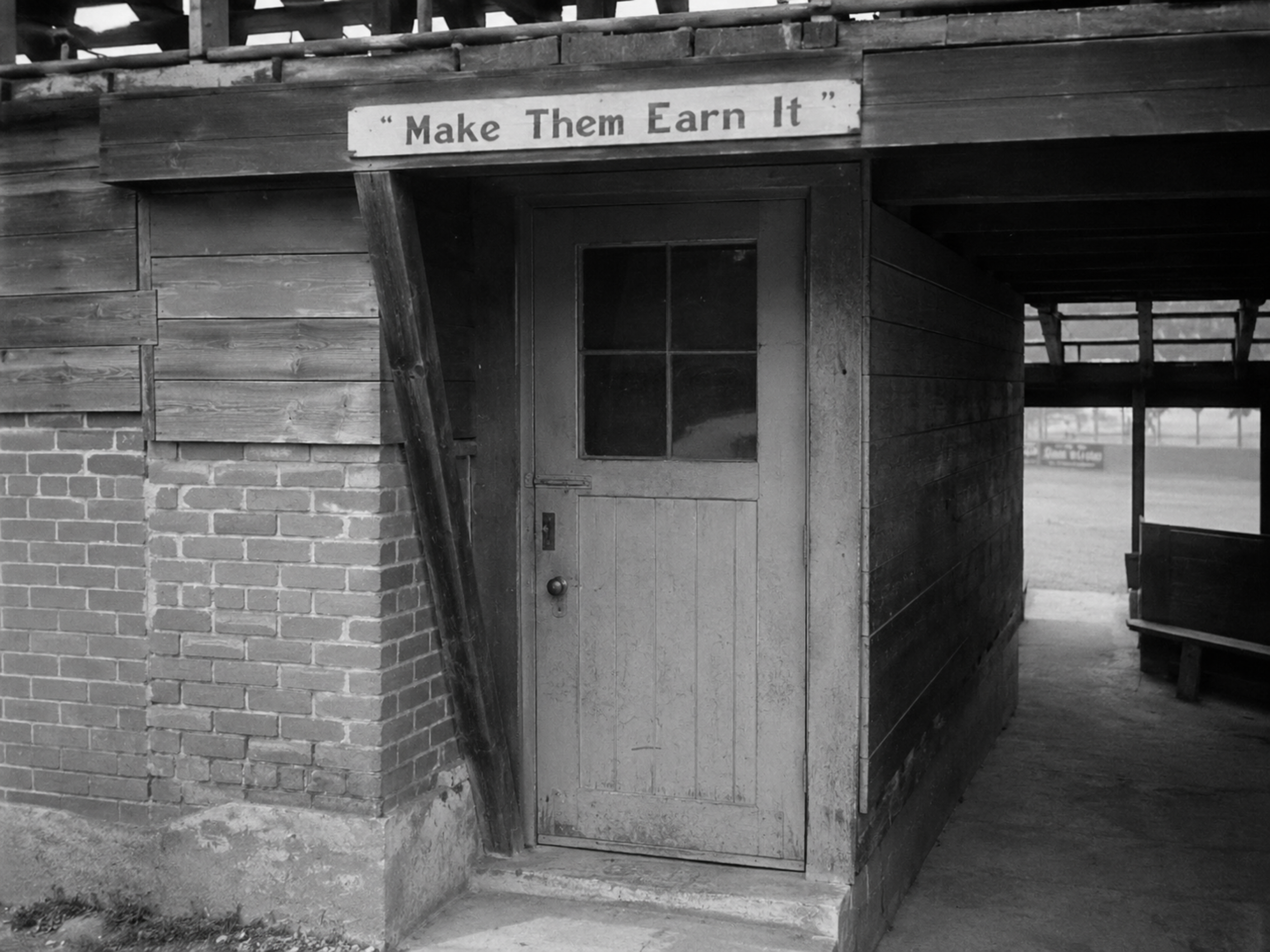
The motto, Make Them Earn It, first appeared on 1936 season-ticket books. Calloway later had the words painted on a narrow board above the home clubhouse door at Cotton Belt Park.

Flannel, Felt and Thread
-
![Tyler Roses primary and travel uniforms displayed together.]()
Primary and Travel Uniforms
Primary and Travel Sets · 1946 Season
Displayed together, the Tyler Roses’ cream primary uniform and gray travel uniform show the club’s two field identities. The primary set carries powder-blue pinstripes and the restrained T-and-rose chest mark, while the travel set uses arched TYLER lettering in powder blue with rose-pink trim. Both uniforms are shown with the cream pinstriped cap, powder-blue bill, powder-blue-and-cream stockings, and black leather spikes.
-
![Tyler Roses pinstriped cap.]()
Primary Cap
Interlocking TR Monogram · Adopted 1934
The Roses’ cap established the club’s field mark before the larger uniform crest appeared. Its cream wool crown, widely spaced powder-blue pinstripes, and powder-blue bill gave the club a light, local character, while the interlocking TR monogram paired a rose-pink T with a powder-blue R. The raised stitching and softened wool surface show the cap as a working uniform piece rather than a promotional object.
-
![Close-up of the Tyler Roses primary jersey crest, showing a rose-pink T set before a deep-red rose on cream flannel with powder-blue pinstripes.]()
Primary Jersey Crest
Rose-Pink T & Deep-Red Rose · Introduced 1936
This close view of the primary jersey shows the Roses’ principal uniform crest stitched over cream flannel. The rose-pink T sits before a deep-red rose, both built from raised thread and felted edges. The surrounding powder-blue pinstripes, worn buttons, and slight puckering around the patch place the mark in the language of practical baseball dress rather than decorative display.
-
![Close-up of powder-blue number 11 edged in rose pink on the gray Tyler Roses travel jersey.]()
Travel Jersey Number
Number 11 · Travel Uniform Back Detail
The back of the Roses’ gray travel jersey carries number 11 in the same color treatment used on the TYLER chest lettering: powder-blue numerals edged in rose-pink embroidery. Against the heavier gray flannel, the stitching appears darker and more subdued, a reminder that the travel set was made for rail trips, visiting clubhouses, and long afternoons away from Cotton Belt Park.
-
![Tyler Roses cream dugout jacket.]()
Cold-Weather Dugout Jacket
Back Emblem · Late 1940s
The Roses’ cream wool dugout jacket uses the club’s colors in a heavier, more ceremonial form. TYLER arches across the back above a large deep-red rose and powder-blue R, with rose-pink edging and ribbed cuffs carrying the same powder-blue and rose striping found throughout the club’s uniform program. Though larger than the field marks, the jacket emblem remains restrained, built from stitched fabric, raised borders, and textured wool rather than shine.
Cotton Belt Park
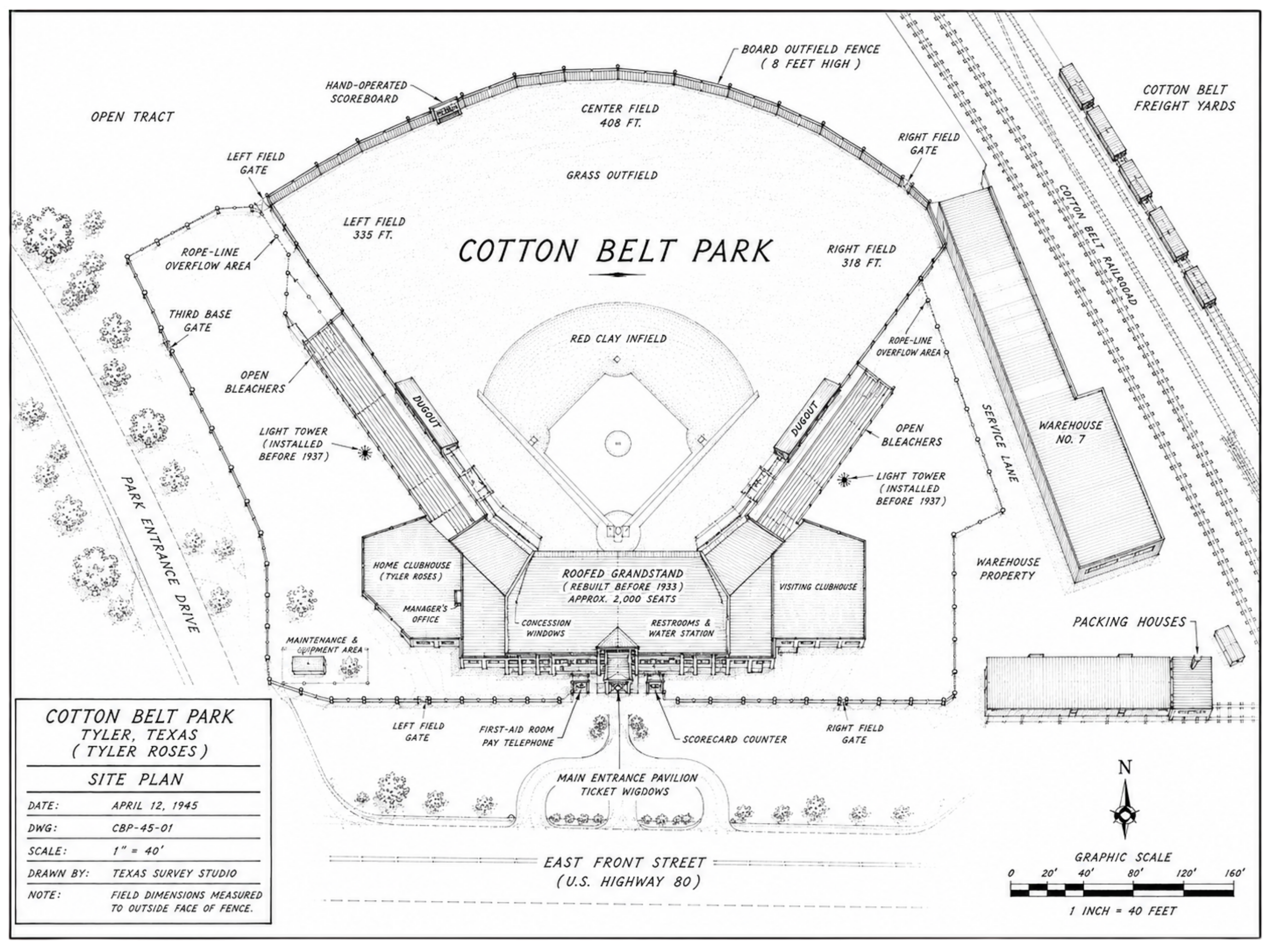
Cotton Belt Park stood east of downtown near the freight yards and packing houses that had supplied many members of Tyler’s original club. The Roses began playing there in 1912 after local merchants financed a fenced field, wooden grandstand, and covered entrance pavilion.
The original grandstand seated fewer than 2,000. It was enlarged twice during the 1920s and rebuilt before the 1933 season with a brick façade, covered seating behind home plate, and open bleachers extending down both lines. By 1946, Cotton Belt Park seated approximately 4,600. For championship games, holiday doubleheaders, and Longview series dates, standing areas behind temporary rope lines brought the crowd above 6,000.
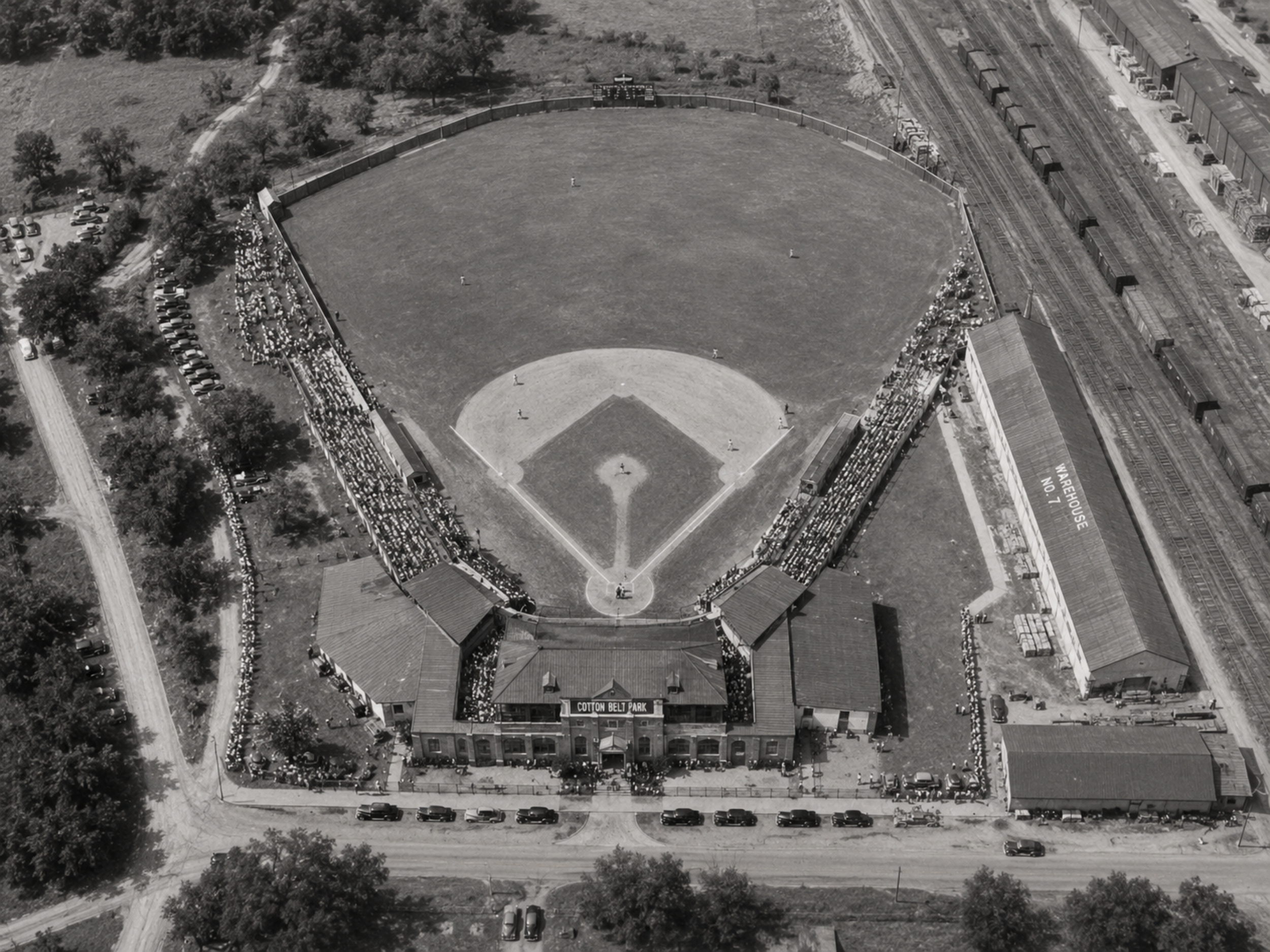
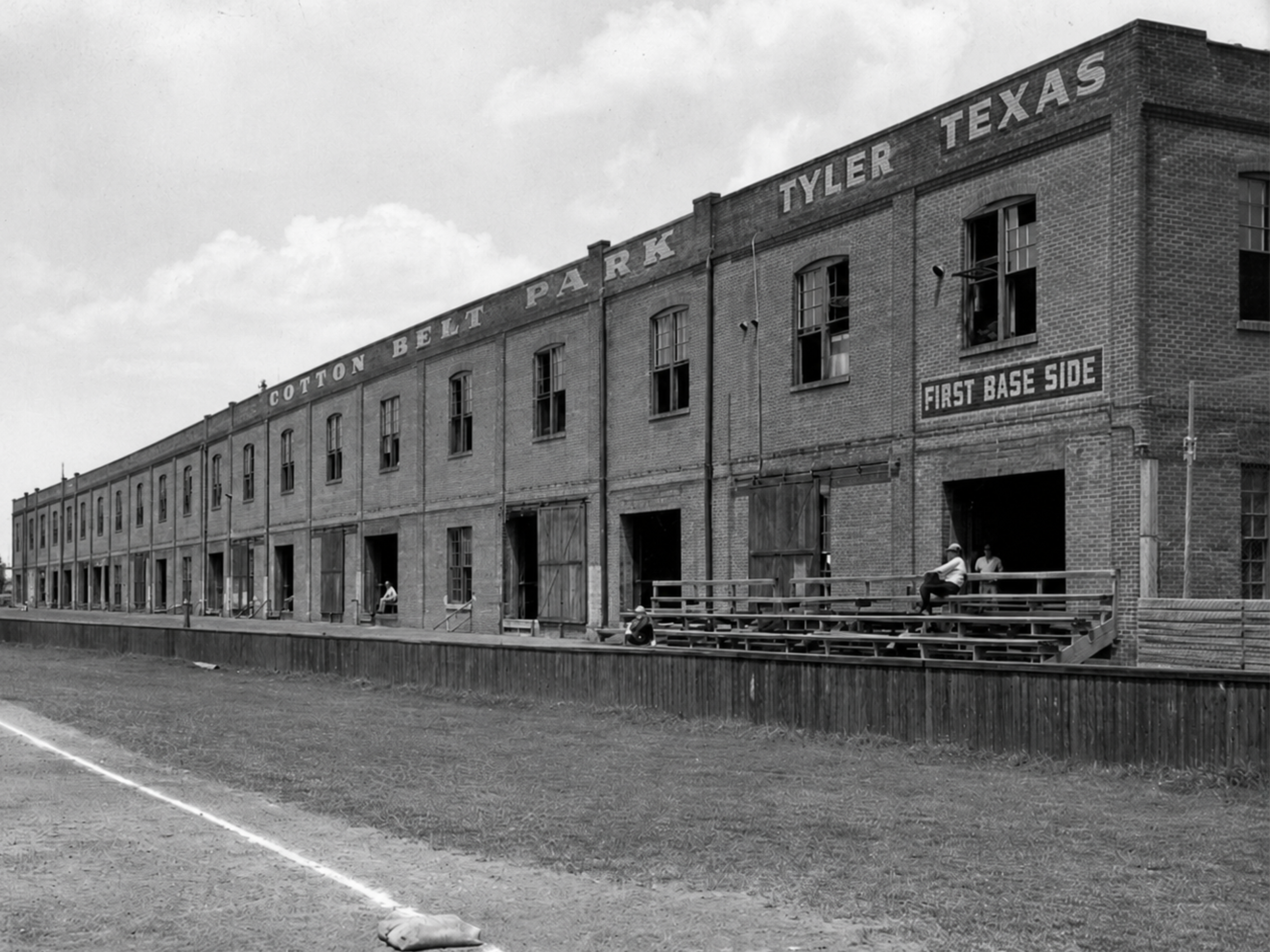
The park was known for its red-clay infield, deep center field, and low right-field wall. A long warehouse ran outside the first-base line toward the right-field corner, preventing the park from becoming symmetrical. An open tract lay beyond left field, while the Cotton Belt freight yards and railroad tracks bordered the right-field side. Freight trains passed beyond right field during afternoon games often enough that their sound became part of the park’s memory.
Lights were installed before the 1937 season, allowing Tyler to play regular evening dates during the hottest part of the summer. The Roses’ grounds crew maintained one of the circuit’s smoother infields, a detail Calloway considered essential to the club’s style of play. Tyler expected ground balls to be handled cleanly, and the park was prepared accordingly.
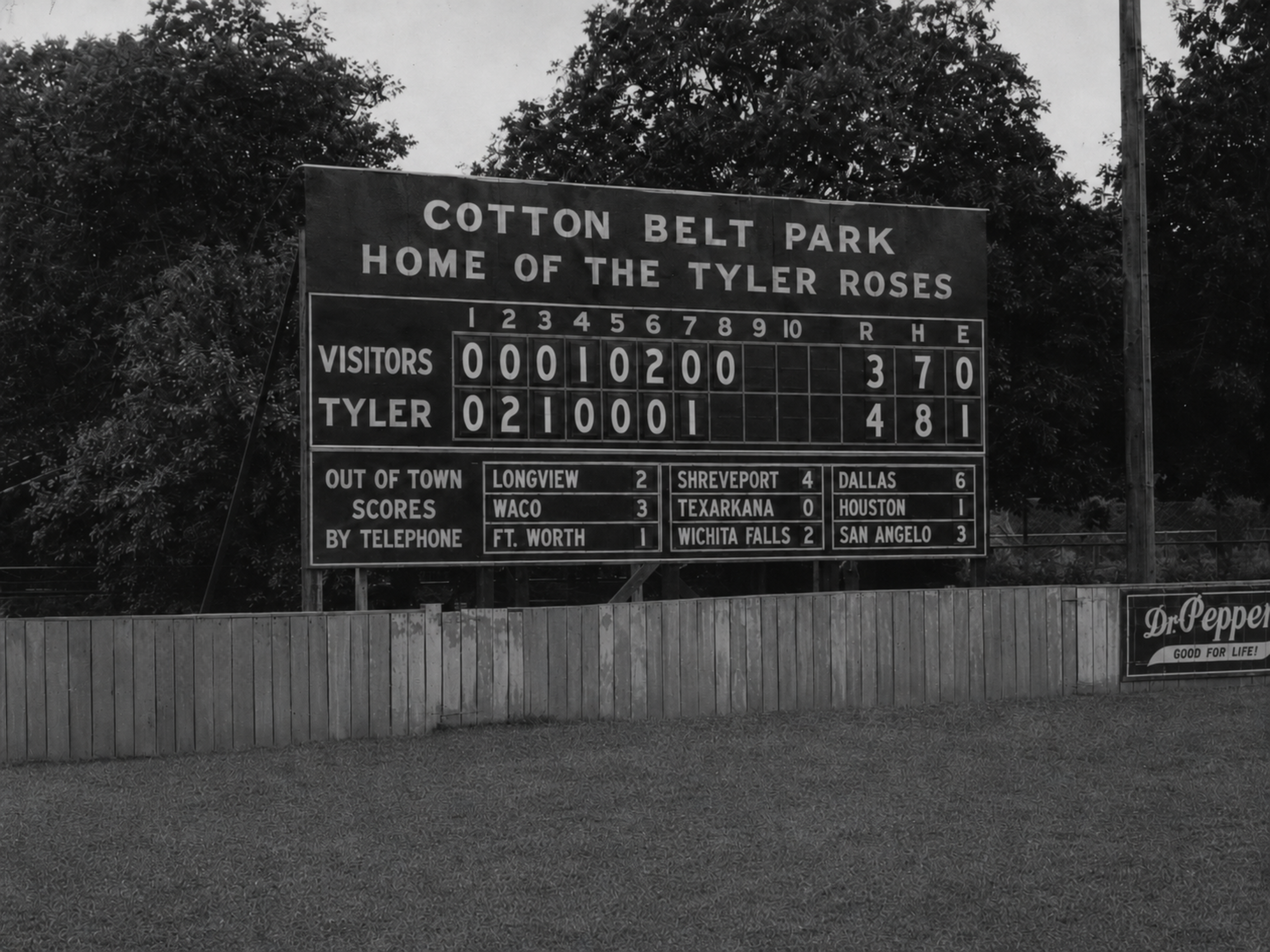
A hand-operated scoreboard stood in left-center field. Scores from other circuit games arrived by telephone and were posted beneath the inning totals. During pennant weeks, spectators watched the lower panels almost as closely as the field. For workers finishing late nearby, the scoreboard made the Roses visible beyond the paid grounds.
Cotton Belt Park hosted the first three games of the 1946 series against Davenport. The Roses remained there through their final season in 1953. Amateur and school teams continued using the grounds for several years before the grandstand was dismantled.
Park and Field
| Ballpark | Cotton Belt Park |
|---|---|
| Location | Tyler, Texas |
| Setting | East-side tract near Cotton Belt freight yards, packing houses, and warehouse property running outside the first-base line toward right field |
| Years Used | 1912–1953 by the Roses; amateur and school use continued after the club folded |
| Key Dates | Opened for Roses play in 1912; enlarged during the 1920s; grandstand rebuilt before 1933; lights installed before 1937; hosted Games One through Three of the 1946 Davenport series |
| Fence | Board outfield fence with a low right-field wall shaped by first-base-side warehouse property and temporary rope lines added for overflow crowds |
| Left Field | 335 feet |
| Center Field | 408 feet |
| Right Field | 318 feet |
| Field Shape | Deep center field; shorter right field shaped by the first-base-side warehouse wall and service lane, with an open tract beyond left field and Cotton Belt freight yards beyond right field |
| Playing Surface | Red-clay infield with closely cut grass; regarded as one of the Southern Independent Circuit’s smoother fields |
| Lighting | Lights installed before the 1937 season for regular summer evening dates |
| Scoreboard | Hand-operated nine-inning board in left-center field with runs, hits, errors, and telephoned out-of-town scores posted beneath the inning totals |
| Seating and Admission | |
| Roofed Grandstand | Covered seating behind home plate, rebuilt with a brick façade before the 1933 season |
| Bleachers | Open wooden bleachers extending down both foul lines |
| Standing Areas | Temporary rope lines along both foul territories and shallow outfield corners for holiday games, Longview series dates, and championship crowds |
| Seated Capacity | Approximately 4,600 |
| Largest Recorded Crowd | More than 6,200 for the 1946 home series against Davenport |
| Entrances | Covered main entrance pavilion with barred ticket windows; service gate near the first-base-side warehouse lane |
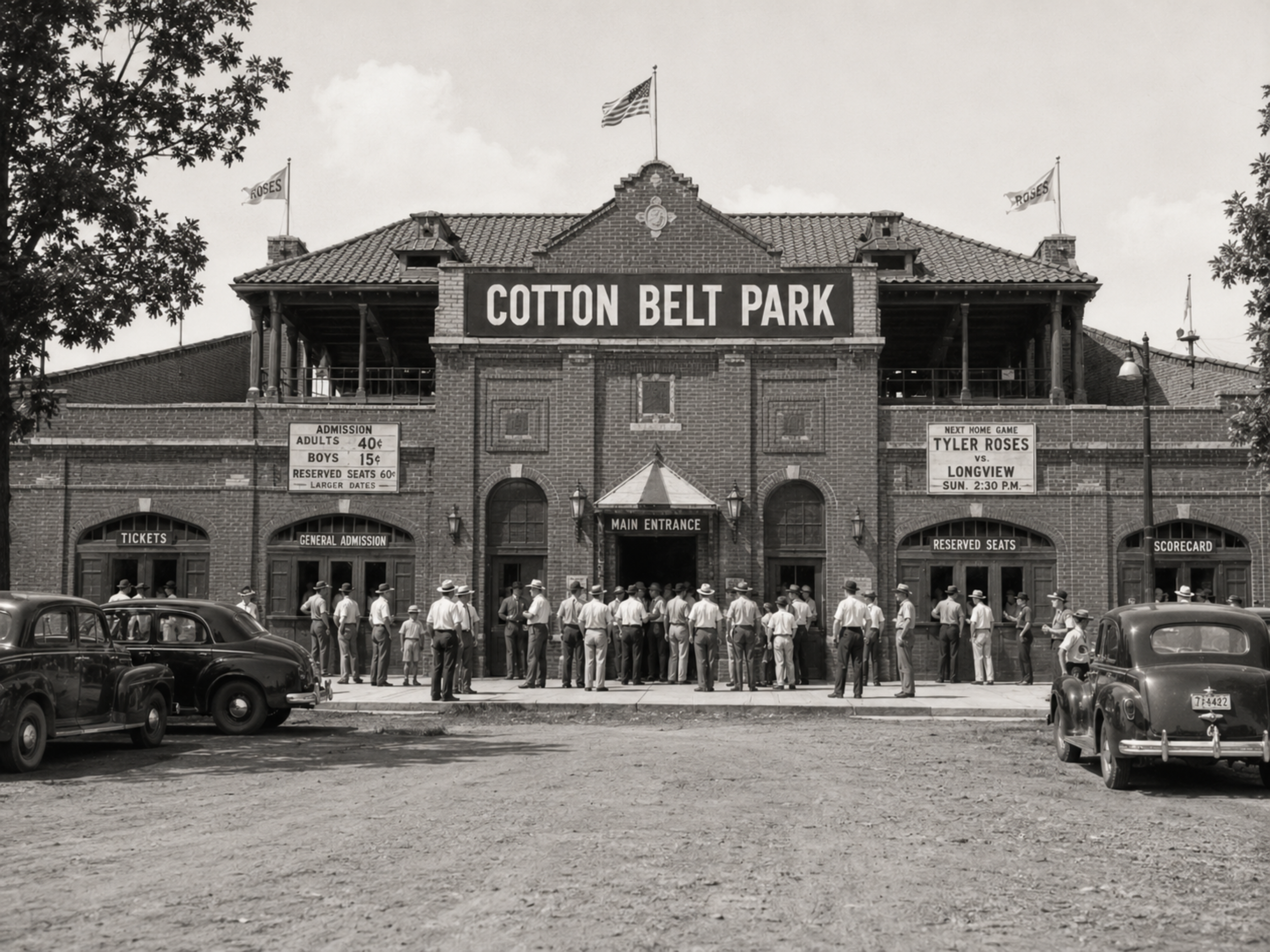
| Displayed Admission Prices | Adults 40¢; boys 15¢; reserved grandstand seats 60¢ for larger dates |
| Concessions and Public Amenities | |
| Concession Windows | Service counters beneath the grandstand for hot dogs, sandwiches, peanuts, popcorn, bottled drinks, coffee, and ice cream cups |
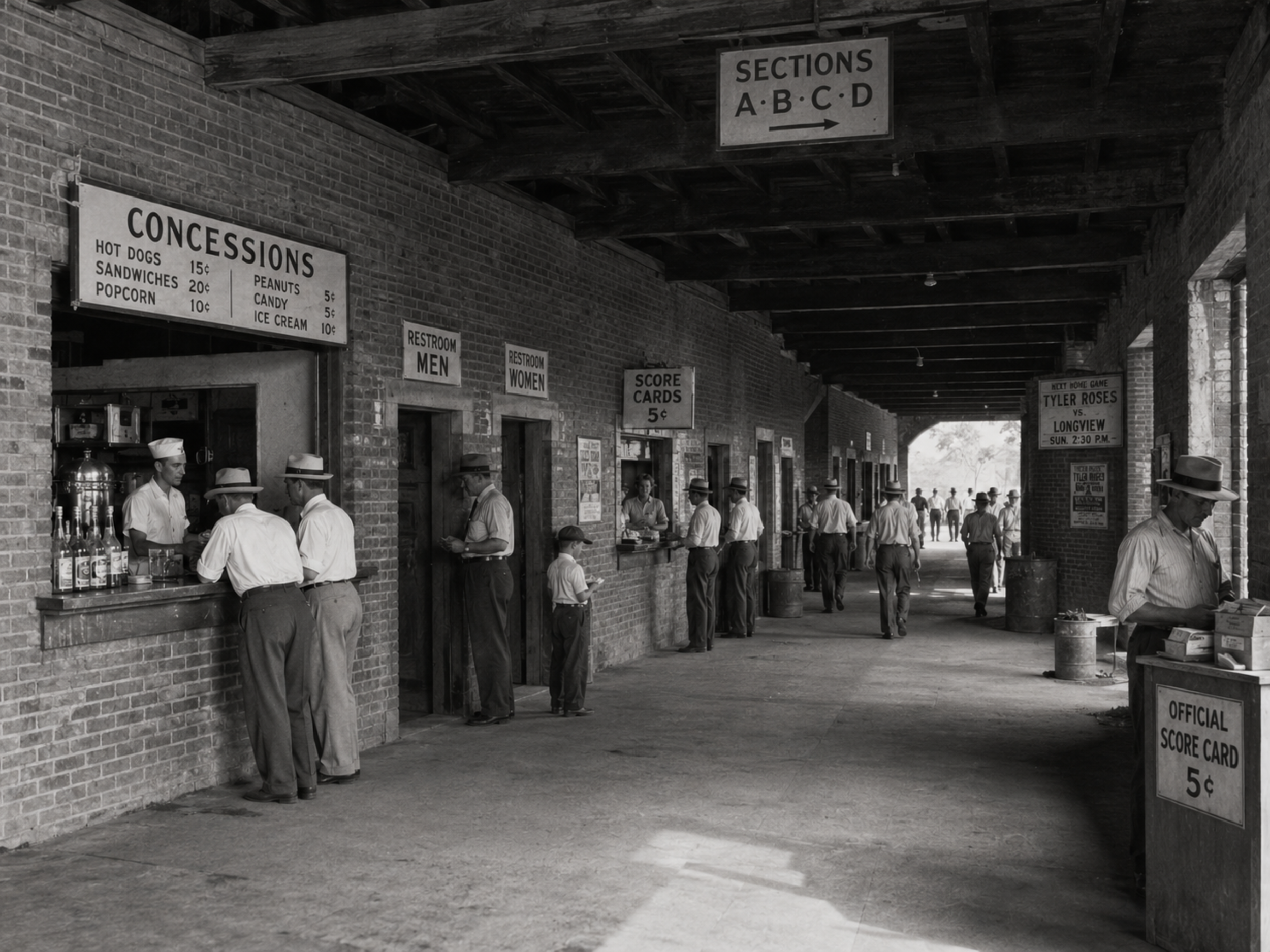
| Posted Food Prices | Hot dogs 15¢; sandwiches 20¢; popcorn 10¢; peanuts 5¢; candy 5¢; ice cream cups 10¢ |
| Posted Drink Prices | Bottled soda 10¢; coffee 10¢; iced tea 10¢ |
| Public Restrooms | Restrooms beneath the grandstand with wash basins, hand-painted direction signs, and separate entrances from the shaded passage |
| Public Amenities | A drinking-water station, first-aid room, pay telephone, shaded passage behind the box seats, scorecard counter near the main gate, and benches along the brick entrance wall |
| Clubhouse and Traditions | |
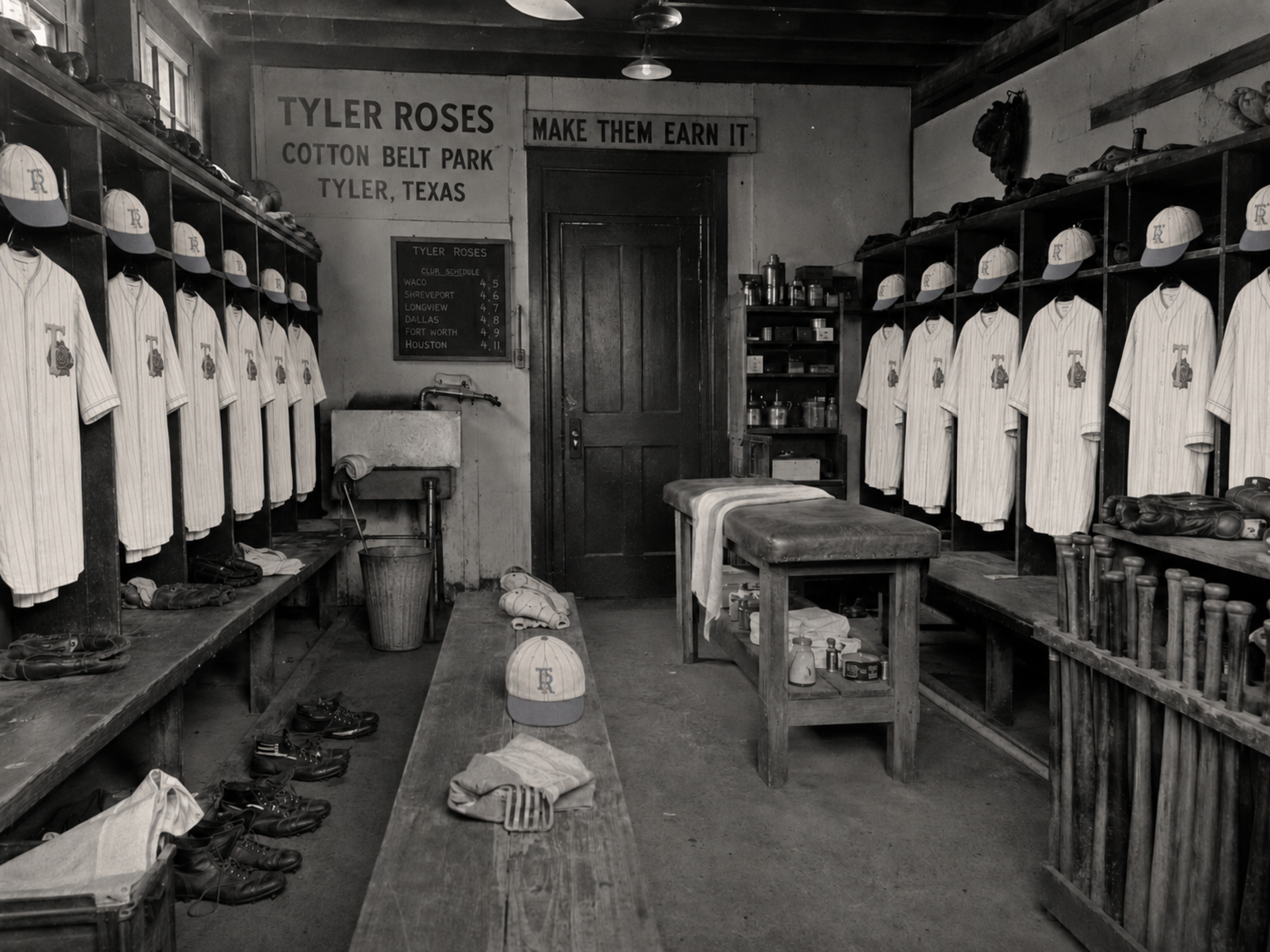
| Home Clubhouse | Third-base-side room beneath the grandstand with wooden lockers, benches, hooks for flannels, a rubbing table, equipment shelves, and a painted motto board above the door |
| Manager’s Office | Small room adjoining the clubhouse with a desk, lineup board, ashtray, telephone, scorebook cabinet, and scouting cards for opposing hitters |
| Visiting Clubhouse | Plain first-base-side room with open shelves, benches, two showers, and direct access to the visiting dugout |
| Motto Board | A narrow painted board reading “Make Them Earn It” hung above the home clubhouse door |
| Notable Tradition | Rose-pink ribbons appeared in the crowd for larger home dates, especially against Longview |
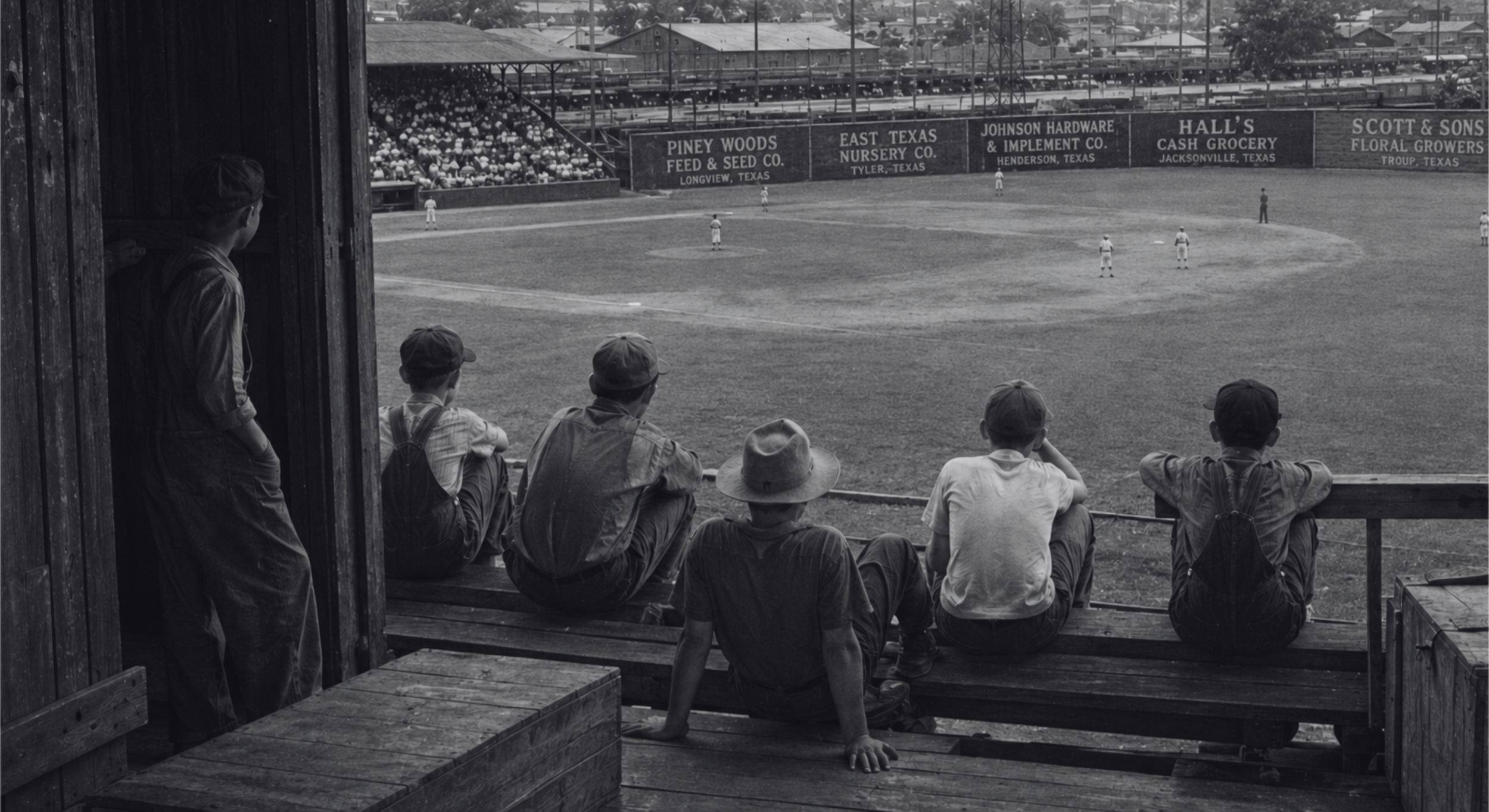
| Warehouse Viewers | Children and rail-yard workers sometimes watched from the warehouse edge and service lane when the park filled or gates closed after the early innings |
| Final Roses Season | 1953 |
| Closure Note | The Roses declined to renew the lease after 1953; the park remained in limited amateur use before the grandstand was dismantled several years later |
Snapshots from Cotton Belt Park
-
![Aerial view of Cotton Belt Park.]()
Cotton Belt Park from Above
Aerial Ballpark View · Tyler, Texas, Circa 1940s
From the air, Cotton Belt Park shows its working shape: a roofed grandstand close behind home plate, open bleachers down both lines, deep center field, and the first-base-side warehouse property shaping the approach toward right field. The park was not symmetrical, but its irregular edges made it unmistakably Tyler.
-
![Cotton Belt Park main gate.]()
The Main Gate
Game-Day Entrance · Cotton Belt Park, Circa 1946
The brick entrance pavilion gave Cotton Belt Park its public face: ticket windows, reserved-seat doors, game notices, admission boards, and a central passage leading toward the shaded grandstand. On larger home dates, especially Longview weeks and championship games, the area in front of the gate filled with work shirts, summer dresses, children, scorecards, and parked cars before the first pitch.
-
![Tyler Roses clubhouse with uniforms.]()
The Home Clubhouse
Cotton Belt Park · Third-Base Side, Circa 1946
The Roses’ home clubhouse shows the practical order behind Calloway’s best Tyler clubs: cream pinstriped primary jerseys hanging from open wooden lockers, TR caps set above the stalls, black spikes lined beneath the benches, and bats stored within reach near the equipment table. The motto board above the door—Make Them Earn It—places the room firmly inside the club’s working language, less a slogan than an instruction players passed under on the way to the dugout.
-
![Cotton Belt Park grandstand passage.]()
Under the Grandstand
Shaded Passage · Rebuilt Before 1933
The passage beneath the grandstand held concession counters, restroom entrances, scorecard sellers, and spectators escaping the heat between innings. Brick facing gave Cotton Belt Park its public front, but inside it remained a practical wooden ballpark built for use.
-
![Hand-operated Cotton Belt Park scoreboard.]()
The Left-Center Scoreboard
Hand-Operated Board · Circa 1940s
The left-center scoreboard carried Tyler’s inning totals and out-of-town scores received by telephone. During pennant weeks, spectators watched the lower panels almost as closely as the field, waiting for news from Longview, Shreveport, Dallas, and other circuit stops.
-
![Warehouse along first-base side.]()
The First-Base Warehouse
Outfield Boundary · First-Base Side
The long warehouse running outside the first-base line and toward the right-field corner fixed one of Cotton Belt Park’s most recognizable edges. Its wall and service lane shaped the park’s shortest boundary, giving right field a practical, industrial character that visiting clubs noticed immediately.
-
![Clubhouse door with motto board.]()
The Home Clubhouse Door
Make Them Earn It · Third-Base Side
A narrow board painted with Calloway’s preferred instruction hung above the home clubhouse door. Players passed beneath it on the way to the dugout, a small piece of clubhouse language that later became one of the club’s most repeated phrases.
The Championship Season
The 1946 Roses were not a surprise champion. They were the kind of club the Southern Independent Circuit expected Tyler to assemble when the city chose to spend money and Calloway chose to stay.
The roster was old in useful places and young where the war had supplied new legs. Oscar Bell gave the club a second baseman steady enough to captain the infield. Ray Tolliver gave Calloway a left-handed starter who could change the shape of a series. Eli Mercer gave Tyler a third baseman whose bat made the middle of the order difficult to pitch through. Right fielder James “J.W.” Fry supplied arm strength, extra-base power, and one of the club’s sharper postseason records.
The Roses won steadily through May, then broke the race open in June with fourteen consecutive victories. During the streak, Tolliver won four times, Mercer reached base in every game, and Tyler allowed more than four runs only twice. By midseason, the club had separated itself from the rest of the circuit.
Cotton Belt Park became the league’s hardest stop. Tyler went 44–8 at home, using the deep center field, smooth infield, first-base-side warehouse wall, and late-afternoon shadows to its advantage. Visiting managers complained less about the crowd than about the club itself: Tyler did not give extra outs, did not chase bad innings, and did not treat a one-run lead as temporary.
The Roses clinched the Southern Independent Circuit title with six games remaining and finished 76–28, twelve games ahead of the field. The official record ended there. The season’s public memory did not.
The privately arranged Davenport series gave Tyler a different kind of test. The Roses were expected to prove the Southern Independent Circuit’s strength. Instead, they became the measure by which Davenport’s upset was remembered. Tyler kept the circuit pennant. Davenport carried away the story.
1946 at a Glance
| Regular-Season Record | 76–28 |
|---|---|
| Home Record | 44–8 |
| Road Record | 32–20 |
| Circuit Finish | First, twelve games ahead |
| Manager | Joseph “Joe” Calloway |
| Club Captain | Oscar “Ossie” Bell |
| Leading Pitcher | Raymond “Ray” Tolliver, 21–6 |
| Leading Hitter | Elias “Eli” Mercer, .349 |
| Runs Batted In Leader | James “J.W.” Fry, 82 |
| Longest Winning Streak | 14 games |
| Circuit Title | Clinched with six games remaining |
| Runs Scored / Runs Allowed | Finished first in the circuit in both categories |
| Davenport Series | Tyler lost to Davenport, four games to three |
| Deciding-Game Score | Davenport 3, Tyler 2 |
| Tyler Deciding-Game Starter | Ray Tolliver, eight innings on short rest |
| Estimated Final-Game Crowd | More than 4,000 at West End Park |
| Official Result | Southern Independent Circuit champions |
The Davenport Series
| Game One — Cotton Belt Park | Tyler 5, Davenport 2. Ray Tolliver opened the series with a complete-game victory. |
|---|---|
| Game Two — Cotton Belt Park | Davenport 4, Tyler 1. Davenport quieted Tyler’s lineup and split the first two games on the road. |
| Game Three — Cotton Belt Park | Tyler 6, Davenport 3. Eli Mercer drove a two-run double into the left-center gap as Tyler reclaimed the series lead. |
| Game Four — West End Park | Davenport 2, Tyler 0. The Deadheaders evened the series behind a shutout at West End Park. |
| Game Five — West End Park | Tyler 4, Davenport 3. Ossie Bell drove in the deciding run, leaving Tyler one victory from taking the series. |
| Game Six — West End Park | Davenport 6, Tyler 3. Davenport broke open a close game in the middle innings and forced a deciding contest. |
| Game Seven — West End Park | Davenport 3, Tyler 2. Tyler starter Ray Tolliver worked eight innings on short rest, but Sam Kovac went the distance for Davenport. |
| Tyler Deciding-Game Starter | Ray Tolliver, eight innings on short rest. |
| Series Result | Davenport defeated Tyler, four games to three. |
| Series Status | Privately arranged inter-circuit series; Tyler’s Southern Independent Circuit championship remained unchanged. |
Tyler carried a three-games-to-two lead into Game Six and needed only one more victory. Davenport answered with a 6–3 win, forcing the series to a seventh game at West End Park. More than 4,000 spectators filled the wooden grandstand, packed the first-base bleachers, and stood several rows deep behind temporary rope lines along both foul territories.
In Game Seven, Tolliver worked eight innings on short rest and allowed three runs. Kovac went the distance for Davenport, and the Deadheaders won 3–2. Tyler returned home with its Southern Independent Circuit pennant intact, but the inter-circuit series—and the louder postseason story—belonged to Davenport.
Men of the 1946 Club
-
![Ossie Bell Tyler Roses second baseman.]()
Oscar “Ossie” Bell
Second Baseman & Club Captain · 1946
Bell returned after the wartime suspension as Tyler’s most trusted infield voice. He was not the largest name on the roster, but he made the club work: turning double plays, relaying signs, handling cutoffs, and keeping Calloway’s defensive shifts from becoming dugout theory. In Game Five at Davenport, Bell drove in the deciding run that put the Roses one victory from taking the series.
-
![Ray Tolliver Tyler Roses pitcher.]()
Raymond “Ray” Tolliver
Left-Handed Pitcher · 21–6 in 1946
Tolliver led the 1946 staff with a 21–6 record and gave Tyler a left-handed starter capable of working deep into games without hurry. He won the series opener against Davenport at Cotton Belt Park, then returned on short rest for the deciding game at West End Park. He allowed three runs over eight innings, a losing line that still shows how close Tyler came to taking the inter-circuit series.
-
![Eli Mercer Tyler Roses third baseman.]()
Elias “Eli” Mercer
Third Baseman · Circuit Batting Leader
Mercer gave the Roses their cleanest right-handed bat in 1946, leading the circuit with a .349 average and anchoring the middle of Calloway’s order. At third base, he played close to the line at Cotton Belt Park, where the smooth infield rewarded quick hands and sure throws. His two-run double in Game Three against Davenport helped Tyler leave Cotton Belt Park with the series lead.
-
![J W Fry Tyler Roses right fielder.]()
James “J.W.” Fry
Right Fielder · Run Producer
Fry played right field in front of Cotton Belt Park’s shortest wall, a position that demanded judgment as much as arm strength. He led Tyler with 82 runs batted in during the 1946 season and was one of the club’s better hitters with men on base. On the road, where the gray travel uniform photographed heavier and darker, Fry’s number was one of the easiest to pick out from the right-field corner.
The Later Years
The Davenport series did not turn the 1946 Roses into a failure. It gave their championship a second meaning. In Tyler, the club remained the Southern Independent Circuit champion: seventy-six victories, a twelve-game margin, the league’s best run prevention, and one of the strongest home records Cotton Belt Park had ever seen. Outside Tyler, the same club became the standard Davenport had beaten.
The Roses returned most of the 1946 roster the following season but finished second after injuries reduced the pitching staff. Tyler remained difficult at Cotton Belt Park, where the deep center field, smooth infield, first-base-side warehouse wall, and evening lights still favored Calloway’s style. But the club no longer moved through the circuit with the same margin for error.
In 1948, Calloway gathered one final pennant. Tolliver was no longer asked to carry the staff alone, Bell missed time with a hand injury, and Mercer’s bat remained the club’s most reliable source of runs. The team still had enough discipline, enough pitching, and enough home-field certainty to win the Southern Independent Circuit again.
Calloway retired that winter. Several veteran players departed soon afterward, and the Roses never again maintained the depth that had defined their strongest clubs. The late teams remained competitive, but they were increasingly measured against the 1946 side, and every summer seemed to ask whether Tyler could assemble one more club worthy of Cotton Belt Park.
By then, the club’s public identity had moved beyond box scores. The TR cap appeared in schoolyards, barbershops, shop windows, equipment trunks, and family photographs. The rose crest turned up on scorecards, season-ticket books, dugout jackets, banquet programs, and small keepsakes that followed supporters back into homes, offices, freight rooms, and storefronts. Rose-pink ribbons remained part of larger home dates, especially when Longview came to Tyler.
By the early 1950s, the practical strain had become harder to ignore. Regional travel costs increased, weekday attendance softened, and several smaller circuit towns struggled to guarantee full schedules. Cotton Belt Park still drew for Longview dates and holiday games, but ordinary summer nights no longer paid for the kind of roster Tyler had once carried.
The Roses completed their final schedule in 1953. The club’s board declined to renew the Cotton Belt Park lease and did not enter a team the following spring. Amateur and school teams used the grounds for several more years, but the Roses themselves were gone.
What survived was unusually tactile: caps, ticket books, lineup cards, stitched patches, marked baseballs, a motto board, equipment trunks, and pieces of Cotton Belt Park carried away after the grandstand came down. The collectibles below are not simply remnants of a lost ballclub. They are evidence of how Tyler kept a champion in civic memory, even after Davenport carried away the louder story.
Roses Collectibles
-
![Tyler Roses cowboy promotional uniform.]()
East Texas Nine Promotional Uniform
Tyler Roses Publicity Dress · Circa 1940s
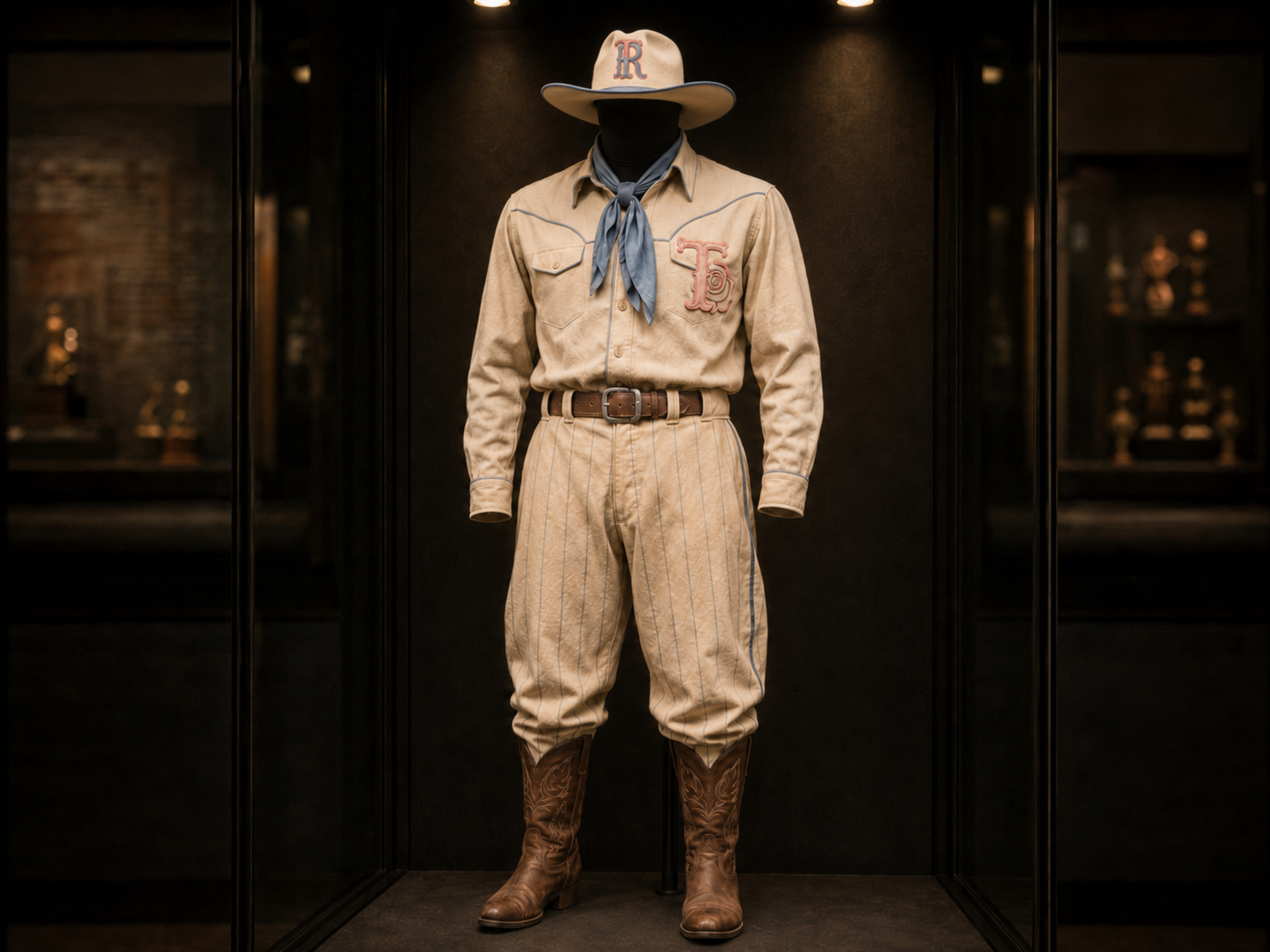
This promotional uniform paired the Roses’ cream pinstriped trousers and TR cap with a western-cut shirt, blue neckerchief, leather belt, and tooled cowboy boots. It was not a regular game uniform, but part of a 1940s publicity campaign built around the club’s informal “East Texas Nine” nickname. Worn for photographs, downtown appearances, and pregame introductions, the outfit shows how the Roses extended their identity beyond flannel without abandoning the marks and colors that made the club recognizable.
-
![Tyler Roses engraved money clips.]()
Season-End Money Clips
Ownership Gifts · Tyler Roses, 1908–1942; 1946–1953
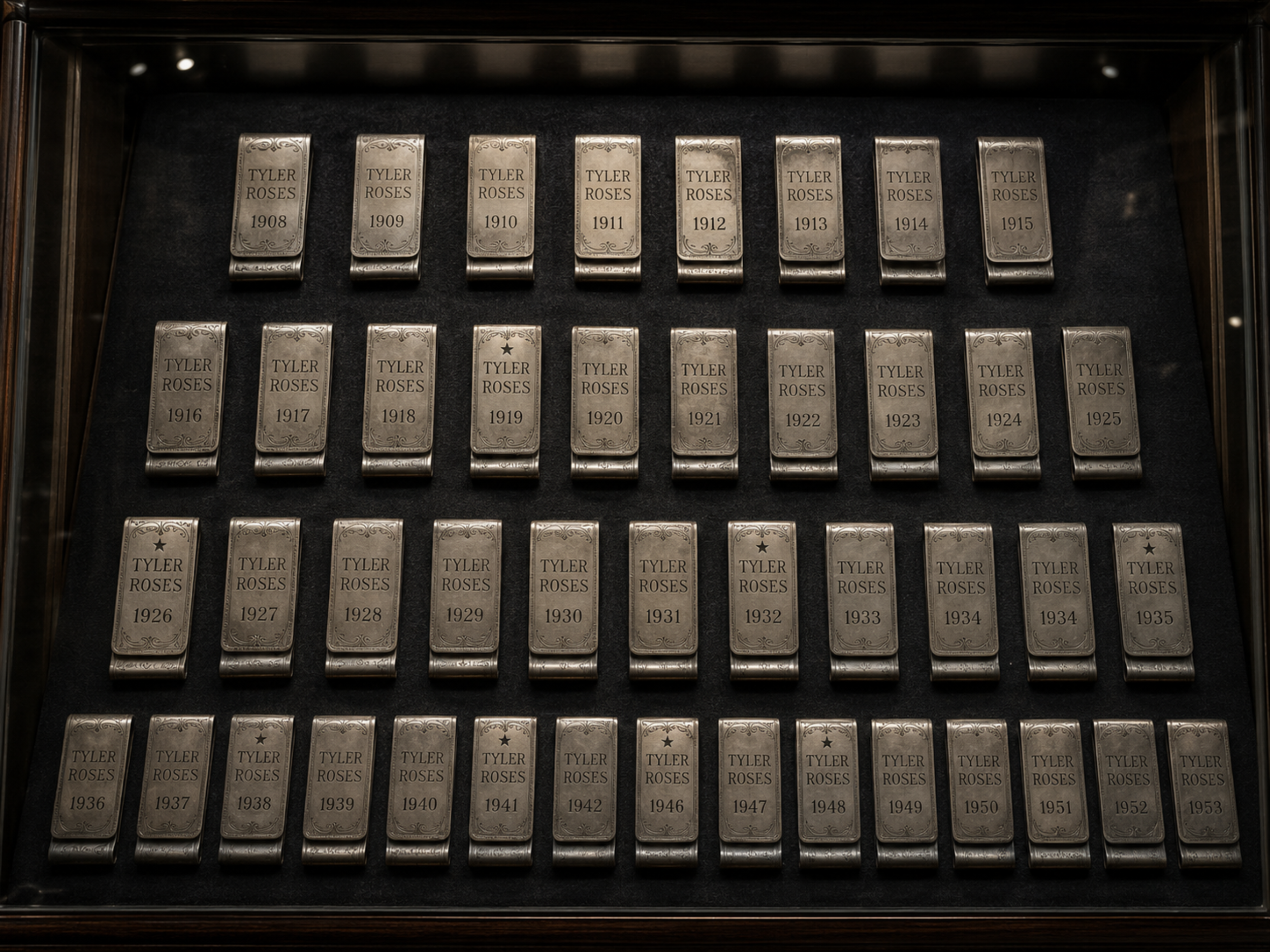
Presented by club ownership after the final game of each season, these engraved steel money clips formed one of the Roses’ quieter roster traditions. Each clip bears the club name and season year, with a small star marking pennant-winning campaigns: 1919, 1926, 1932, 1935, 1938, 1941, 1946, and 1948. Their variations in size, wear, engraving depth, and finish suggest objects carried in pockets rather than stored away immediately, personal keepsakes from a working independent club.
-
![Pink ribbons worn by Tyler Roses supporters.]()
Rose-Pink Ribbons
Supporter Keepsakes · Tyler Roses Home Dates, Circa 1930s–1940s
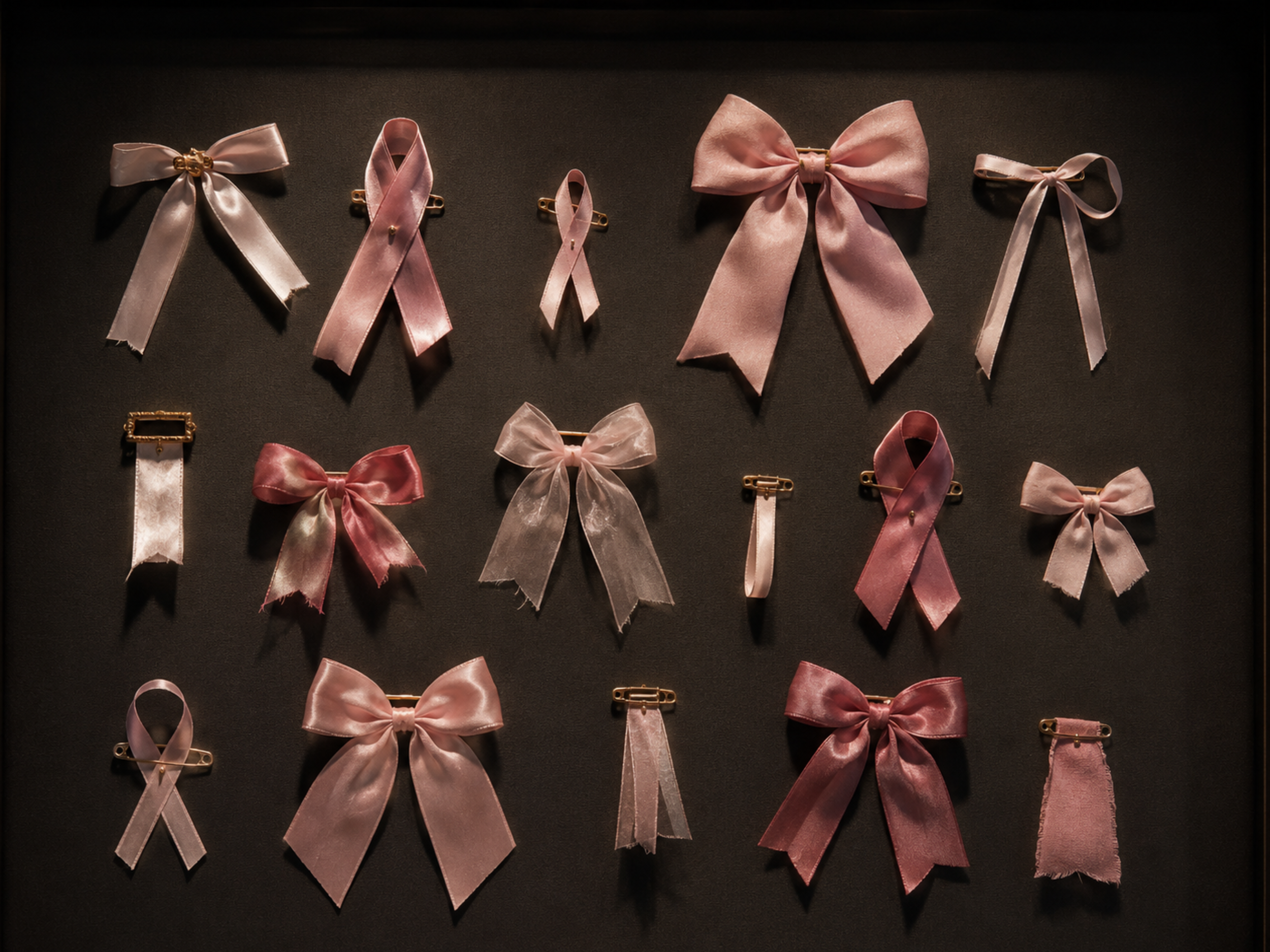
A small collection of rose-pink ribbons worn by Tyler supporters on larger home dates, especially during Longview weeks and championship games at Cotton Belt Park. The ribbons vary in shade, width, fabric, and finish, from plain strips fastened with safety pins to carefully tied bows held by small brooch pins. Their modest construction is part of their value: these were not official souvenirs, but personal game-day gestures saved from coats, dresses, work shirts, and family keepsake boxes.
-
![Tyler Roses champions pennant.]()
1946 Circuit Champions Pennant
Postseason Souvenir · Museum Display
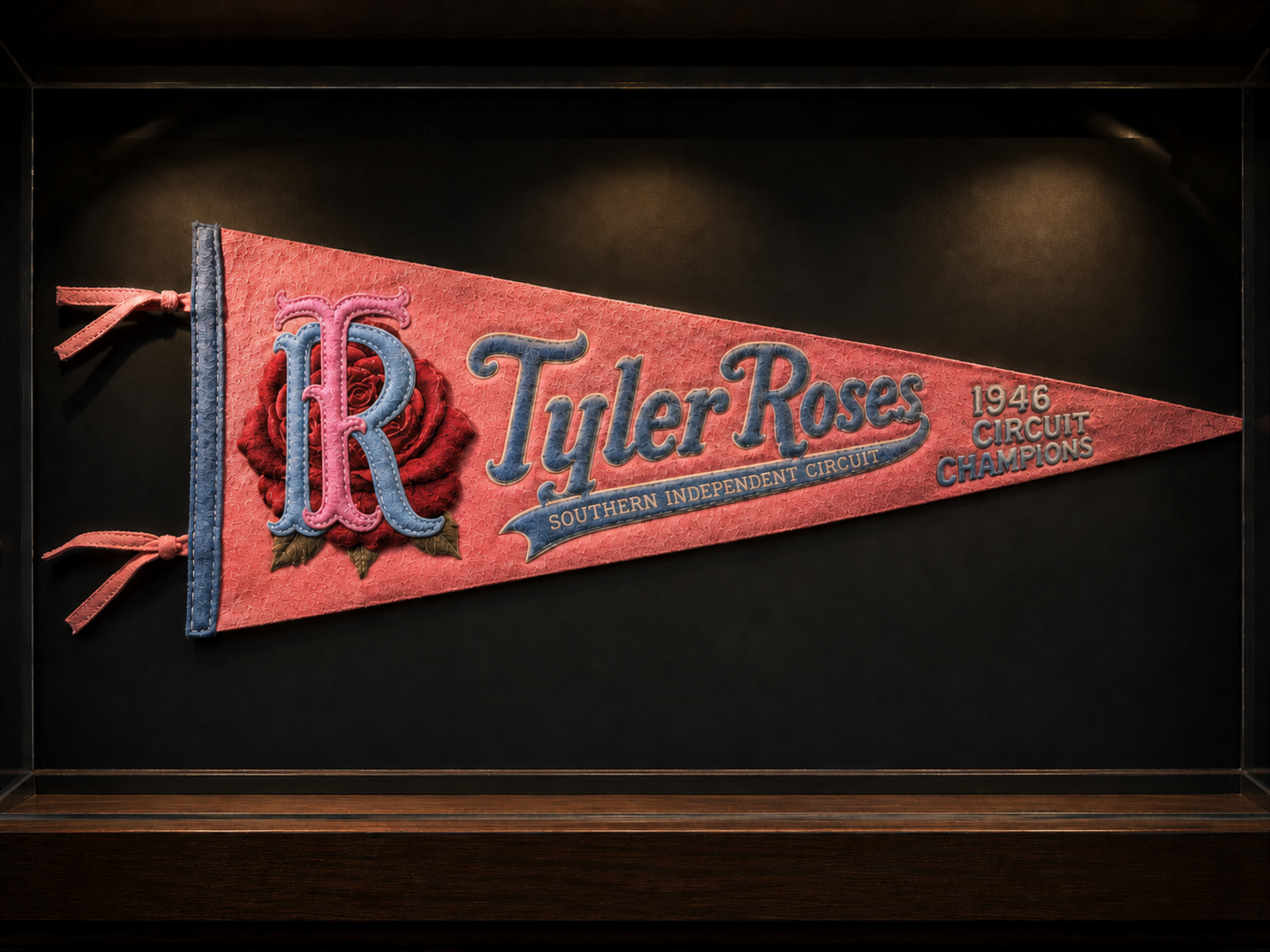
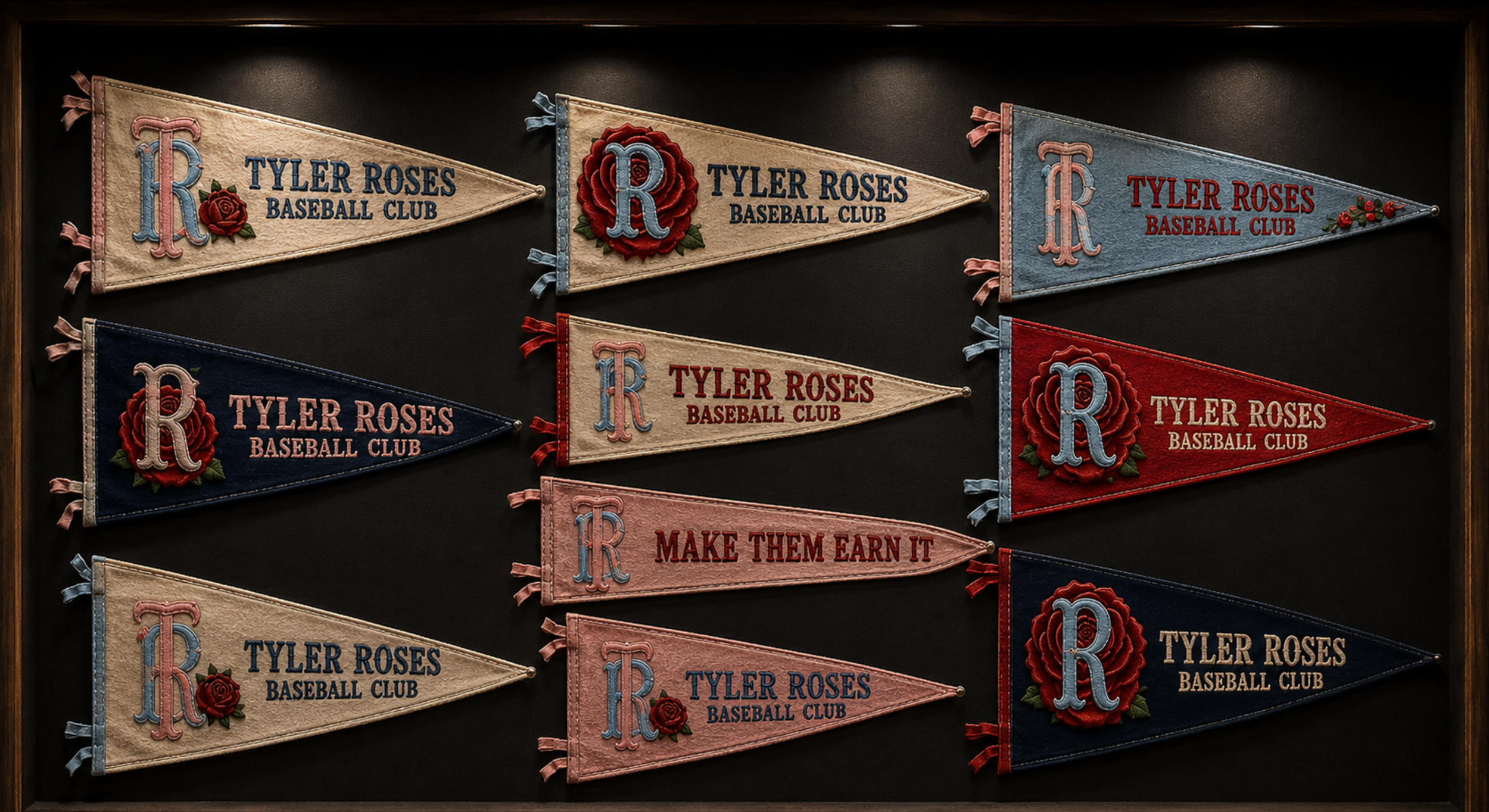
Issued after Tyler clinched the 1946 Southern Independent Circuit title, the pennant preserved the official achievement rather than the later disappointment in Davenport. Its rose-pink field, deep-red rose crest, and powder-blue lettering made it suitable for storefront windows, bedrooms, club offices, and winter banquet displays.
-
![Baseball marked for Tyler series win.]()
Tolliver’s Game One Ball
Davenport Series · Cotton Belt Park, 1946
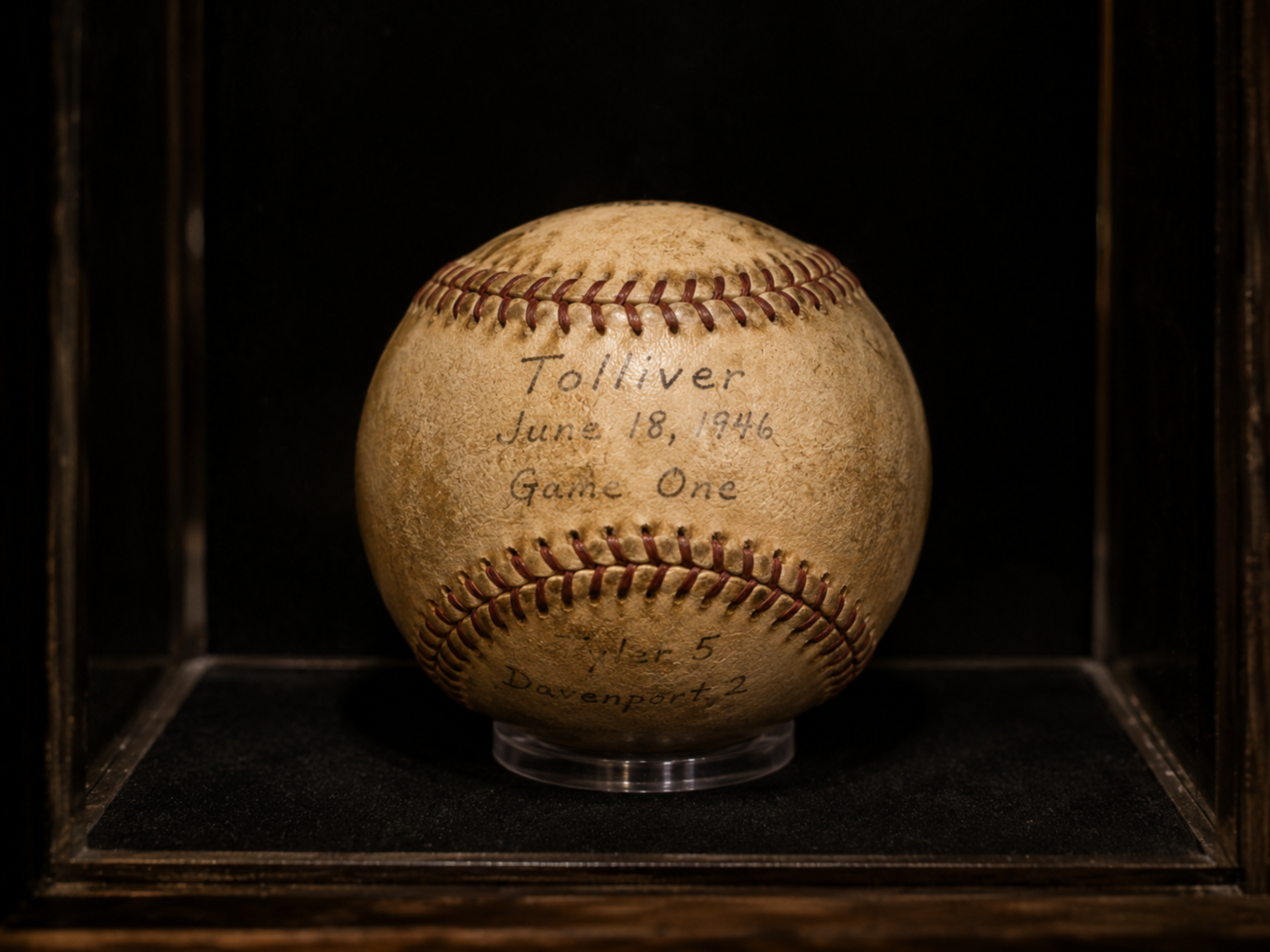
Marked by hand after Tyler’s 5–2 victory in Game One, this ball was kept by the club secretary with Tolliver’s name, the date, and the final score written across adjacent panels. The ink has browned across the seams, but the object records the moment before the series changed: Tyler at home, Tolliver in command, and the Roses appearing as steady as their record suggested.